
Çanakkale and the Dardanelles Strait
A short guide to Çanakkale and the Dardanelles Strait, covering the geography, ancient sites, island villages and local food of northwestern Türkiye.
Çanakkale is both a city and a province in the northwest of Türkiye, sitting where the Aegean Sea opens into the Sea of Marmara. Its character comes from the Dardanelles Strait, the narrow channel that divides Europe from Asia and has carried ships, traders and travellers between the Mediterranean and the Black Sea for millennia.
A Waterway Between Two Continents
The Dardanelles, called Çanakkale Boğazı in Turkish, stretches for about sixty kilometres and narrows to roughly one kilometre at its tightest point. Its currents are strong and its depth varies, which makes navigation demanding for the vessels that pass through it daily. The European shore belongs to the Gallipoli Peninsula, while the Asian shore opens onto the Troad, the older name for the land around ancient Troy. Together they form a landscape of low hills, olive groves, vineyards and small fishing harbours.
Ancient Troy and the Troad
South of the strait lies one of the most celebrated archaeological sites in the world. The mound of Hisarlık, near the village of Tevfikiye, is identified with Troy, the city of Homer's Iliad. Excavations have revealed nine main settlement layers built one above the other, spanning the Bronze Age and later periods. The site was inscribed on the UNESCO World Heritage List in 1998. Further along the coast, the ruins of Assos, Alexandria Troas and other ancient cities show how densely settled this corner of Anatolia once was.
The Gallipoli Peninsula
On the European side, the Gallipoli Peninsula is protected as a historical national park. Pine forests, sandy coves and steep cliffs along the Aegean coast contrast with the quiet memorial grounds that recall the 1915 Gallipoli campaign. Monuments, cemeteries and trenches are maintained with care, and visitors from Australia, New Zealand, Türkiye and beyond come to walk the trails and reflect on the events that took place here. Today the peninsula is a peaceful place of olive trees, open views and small coastal villages.
Castles, Ferries and City Life
The city of Çanakkale spreads along the southern bank of the strait. Ottoman fortresses guard both sides: Çimenlik Castle within the city and Kilitbahir Castle opposite it, both built to control passage through the narrows. The waterfront promenade, the old bazaar known as Aynalı Çarşı and the archaeological museum give the city a relaxed rhythm. Ferries link Çanakkale with Kilitbahir and Eceabat on the peninsula, and also with Lapseki and Gelibolu further north.
Islands and Coastal Villages
- Bozcaada (Tenedos), with its small harbour, stone houses, windmills and vineyards
- Gökçeada (Imbros), the largest island of Türkiye, known for rolling hills and quiet beaches
- Assos (Behramkale), where the Temple of Athena stands on a rocky headland above the Aegean
- Babakale, the westernmost point of the Anatolian mainland, with a small Ottoman fortress
Local Flavours and Seasonal Landscapes
Food in the region follows the sea and the fields. Ezine cheese, olives and olive oil, fresh fish and the sardines caught in the strait are part of everyday cooking, alongside tomatoes, grapes and wine from Bozcaada. In spring, wildflowers and poppies cover the Gallipoli hills; summer brings warm swimming water along the Aegean coast; autumn is grape harvest time; and winter winds sweep across the olive groves and the higher slopes of Kaz Dağı, the mountain known in mythology as Mount Ida.
Related content
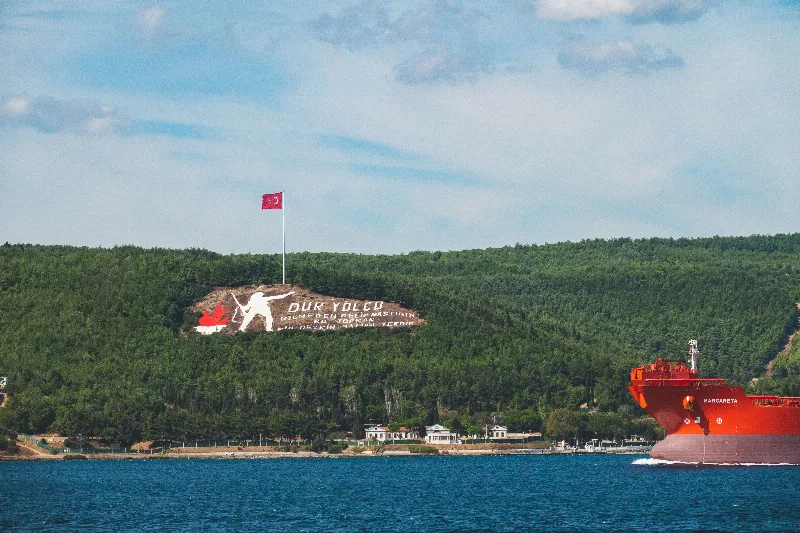
Çanakkale
Çanakkale is a northwestern Turkish city on the Asian shore of the Dardanelles, the strait separating Europe from Asia. It is the administrative centre of a province that includes the Gallipoli battlefields and the archaeological site of Troy.
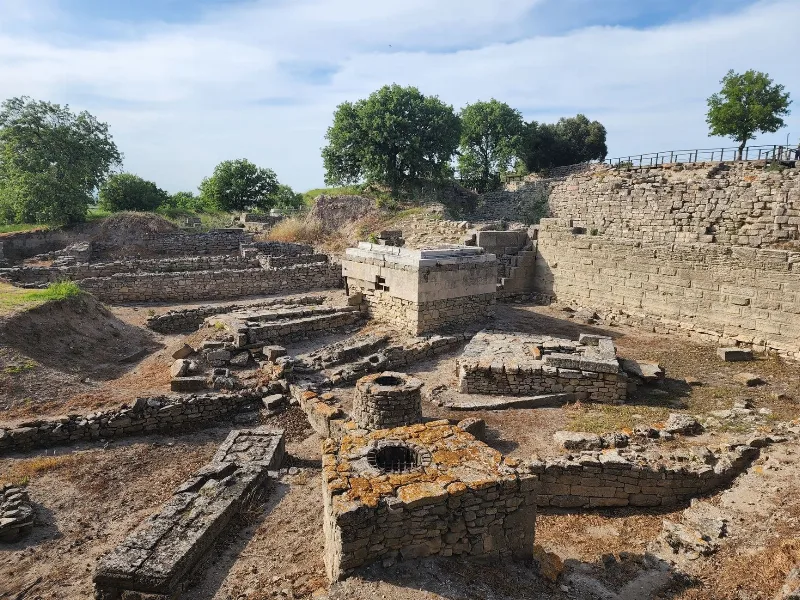
Troy
Troy is the excavated mound of Hisarlık in Çanakkale Province, Türkiye, inhabited from the Early Bronze Age to the Roman era and linked with the Ilion of Homer's Iliad. Its nine settlement layers and surviving Bronze Age fortifications make it one of the most important stratified sites in the eastern Mediterranean.
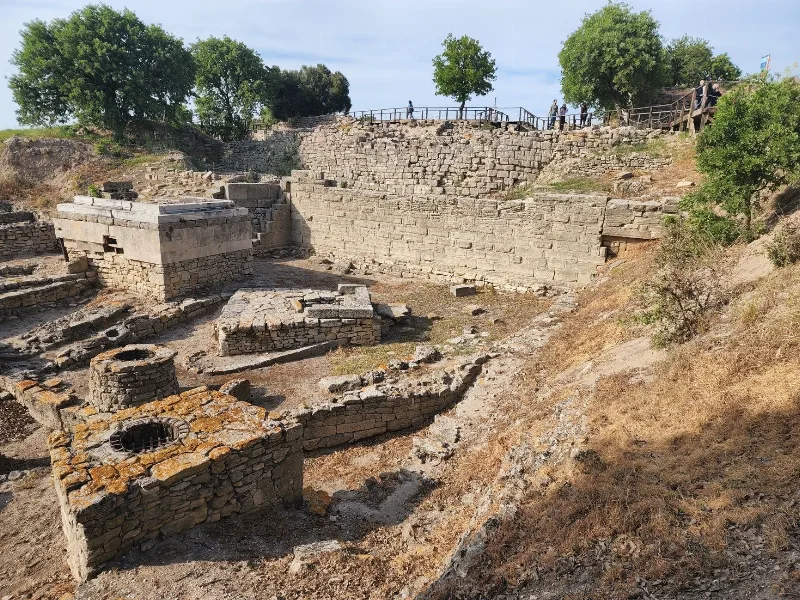
Troy
Troy is an ancient city on the Hisarlık mound in Çanakkale province, northwestern Turkey, known from Homer's Iliad and excavated into nine settlement layers. It is a UNESCO World Heritage Site with a large modern wooden horse near its entrance.
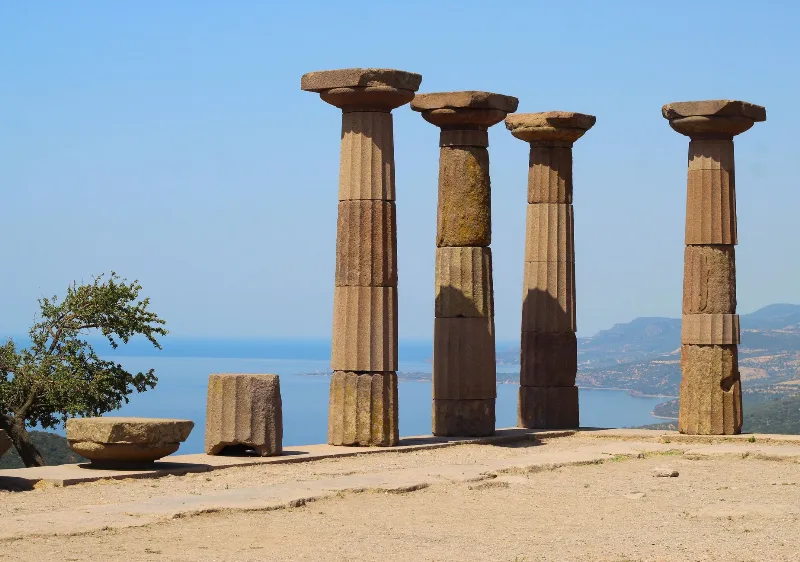
3-Day Çanakkale and Gallipoli Route
A three-day route based in Çanakkale that pairs the memorial landscapes of the Gallipoli Peninsula with the archaeological site of Troy and the southern Troad coast around Assos, using the Dardanelles ferry crossings as the link between two shores.
Ancient Archaeological Sites of Troy
The archaeological site of Troy near Çanakkale reveals nine settlement layers, Bronze Age defences and a story that links Anatolia's real past with Homeric legend.
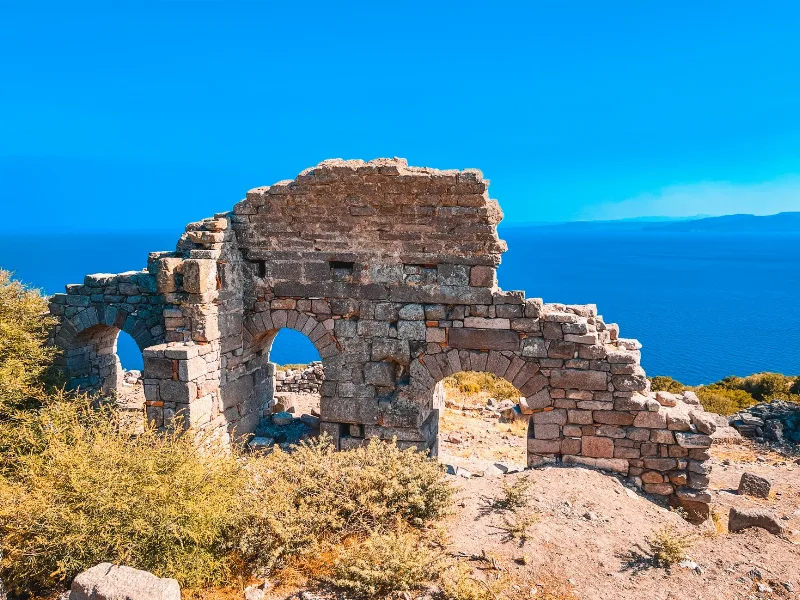
3-Day Assos and Troy Route
A three-day route through Turkey's Troad region, starting in Çanakkale and finishing at the clifftop village and ancient harbour of Assos, with Troy and the lesser-known classical ruins in between.
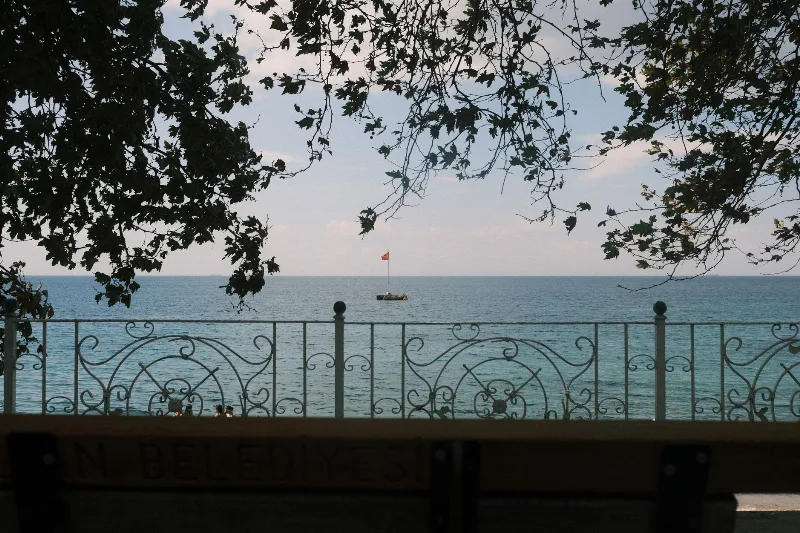
4-Day Marmara Sea Route
A four-day loop around the Sea of Marmara that starts in Istanbul, crosses to Yalova, travels inland to Bursa and finishes among the ruins of Troy and the memorials of the Gallipoli peninsula. The itinerary is built around short, logical daily drives rather than long transfers.
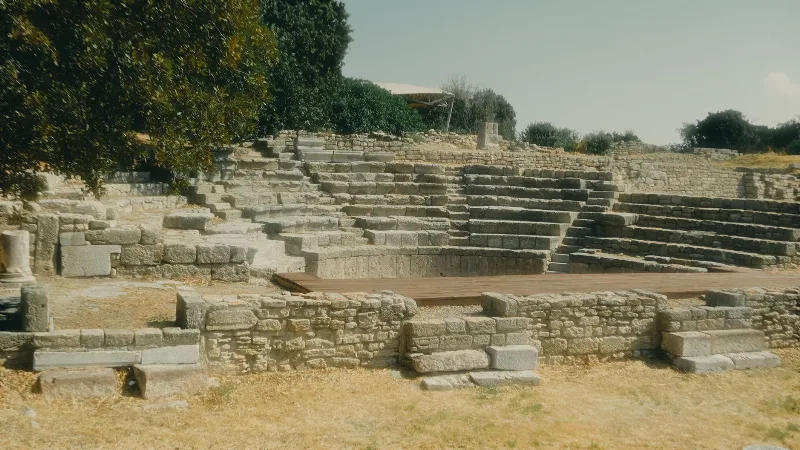
The Historical Significance of the Troy Ruins
Troy, located in Çanakkale Province, Türkiye, is a UNESCO World Heritage Site with nine archaeological layers spanning thousands of years. Its legendary status, rooted in Homer's Iliad, continues to fascinate visitors and scholars.