
Ağrı
Explore Ağrı, eastern Türkiye: history, standout sights, landscapes, local food and practical travel advice for an unforgettable journey in Türkiye.
Ağrı is a destination in eastern Türkiye, a high-altitude province of mountain horizons, frontier history and the monumental İshak Pasha Palace. Its wider province offers places to explore beyond the provincial centre, and a visit works best when planned around the geography rather than just the best-known photograph. For a first visit, the city centre and one carefully chosen excursion often reveal more than a rushed sequence of distant stops. Allow time for markets, local food and the ordinary streets connecting the headline sights.
Understanding Ağrı
Ağrı is defined by elevation, spacious landscapes and the sense of distance characteristic of Türkiye’s far east. The provincial capital is a practical centre for a largely mountainous region, while the province’s best-known sights lie across a broad area. Visitors come for architecture, dramatic landscapes and the cultural atmosphere of towns situated near major historical routes. It rewards realistic travel planning more than rushed sightseeing.
History and cultural heritage
Eastern Anatolia has long been a zone of movement between empires, trading networks and highland communities. The province preserves traces of Urartian and later periods, while Ottoman-era architecture is especially striking near Doğubayazıt. İshak Pasha Palace, built over an extended period, reflects an unusual blend of architectural influences. Local history is inseparable from geography: passes, plateaus and borderland routes determined the positions of towns and strongholds.
Places to see
İshak Pasha Palace near Doğubayazıt is the essential architectural stop, set against rugged mountain scenery. Its courtyards, carved stonework and panoramic setting reward an unhurried visit. Mount Ararat, known in Turkish as Ağrı Dağı, dominates the surrounding landscape and is culturally significant far beyond the province. The area around Doğubayazıt also has historic fortifications and cultural sites. Mountain climbing is a separate, specialised activity requiring current permit and guide checks.
Landscape and outdoor experiences
Wide plateaus, deep valleys and major volcanic mountains give Ağrı a striking physical character. Mount Ararat rises above the eastern plains and can appear dramatically different depending on cloud cover and the season. Winters are long and severe, with heavy snow possible; even during warmer months, altitude creates cooler conditions than in many parts of Türkiye. Landscape photography, scenic drives and carefully arranged outdoor trips are key reasons to visit.
Local food and everyday culture
Regional meals favour filling dishes suited to a cold highland climate. Meat, dairy products, grains and soups appear prominently, with variations among communities and districts. Abdigör köftesi is particularly associated with Doğubayazıt. Local breakfasts and bakeries can be as revealing as larger restaurant meals. Rather than seeking a fixed national menu, visitors should ask what is prepared locally and seasonally, especially in smaller towns.
Districts and nearby destinations
Doğubayazıt is the principal tourism base for İshak Pasha Palace and views of Mount Ararat. Patnos, Diyadin and Eleşkirt have different local landscapes and travel functions. Diyadin is associated with thermal waters, while the highland setting of the other districts reflects the province’s broad geographical range. Because journeys can be long and weather-sensitive, stay close to the sights you most want to explore.
Planning your visit
The region has harsh winter conditions, and road journeys should be checked against current weather reports. Summer and early autumn are generally easier for scenic travel, although the climate remains variable at elevation. Flights to Ağrı Ahmed-i Hani Airport and road transfers may be options depending on schedules. Respect rules around border areas and mountain routes. Carry layers, water and reliable navigation when travelling between distant sites.
Suggested route and deeper experiences
A two-centre itinerary often works better than a single overnight stop. The provincial capital provides transport connections, while staying near Doğubayazıt reduces repeated journeys to the palace and Mount Ararat viewpoints. Clear mountain views are not guaranteed; clouds can hide the summit even on an otherwise pleasant day. If photography is a priority, allow flexibility rather than assuming a particular hour will be perfect. Cultural monuments around Doğubayazıt can be appreciated without attempting any technical mountaineering. Visitors considering a summit ascent should use qualified local operators, understand altitude risks and verify the latest authorisation requirements. Borderland travel is not a setting for improvised off-road excursions.
How to make the most of your time
Begin with the parts of Ağrı that interest you most, then build a realistic route around them. Check up-to-date opening hours, transport options and weather before leaving, especially for remote cultural sites and mountain roads. If you have only one day, prioritise one substantial excursion and leave enough time for meals and unplanned stops. With more time, explore another district for a fuller understanding of the province. Respect protected landscapes, religious sites and the everyday life of local communities.
Travel style and useful considerations
A visit to Ağrı can be organised as a short cultural stop, a longer regional journey or part of a route through neighbouring provinces. The most appropriate choice depends on the season, access to a vehicle and how much walking you enjoy. In smaller settlements, services may be less frequent than in major tourism centres. Keep a flexible schedule, confirm return transport where relevant and ask permission before photographing people or private property. These small preparations help keep the experience rewarding for visitors and considerate toward local residents.
Discover Food in Türkiye
All food →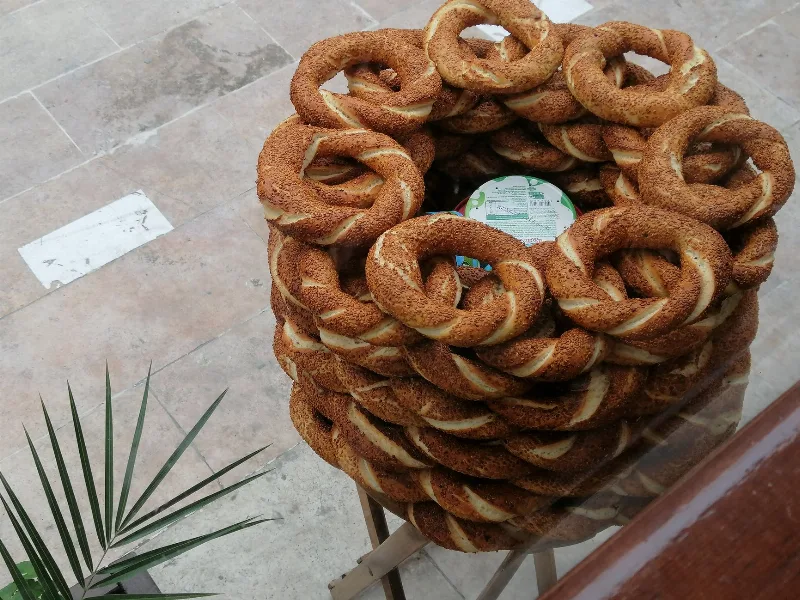
Simit
Simit is a ring-shaped Turkish bread covered in sesame seeds, strongly associated with Istanbul and sold as everyday street food. It is eaten fresh, most often with tea, and has a crisp crust around a chewy crumb.
Explore →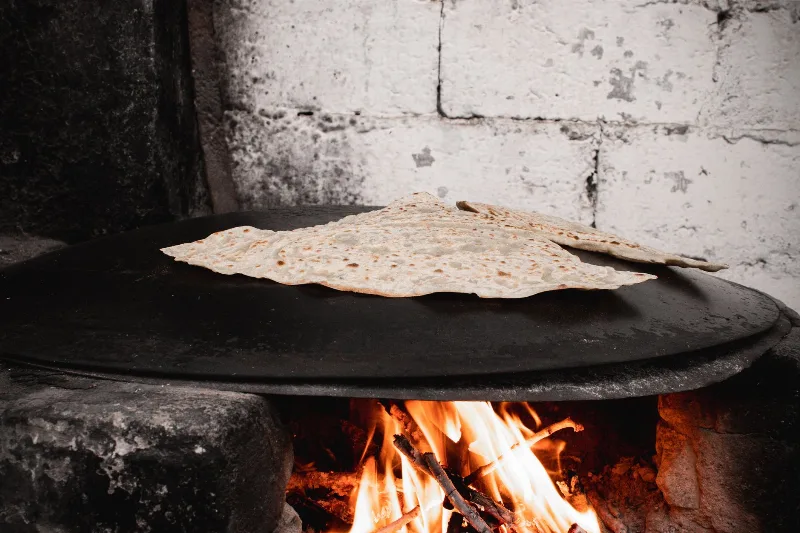
Bazlama
Bazlama is a soft, thick Turkish flatbread made from a leavened dough and cooked on a hot griddle. It is a staple of village baking across Anatolia, eaten warm with butter or used to wrap other foods.
Explore →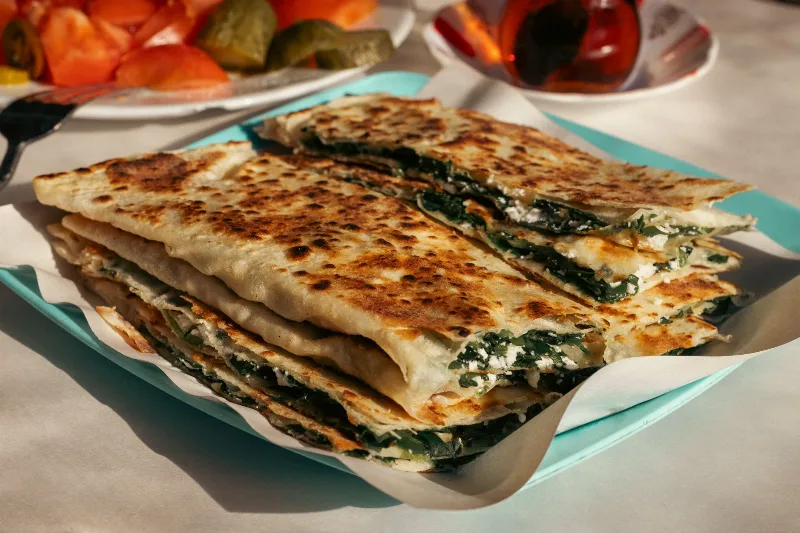
Gözleme
Gözleme is a thin, hand-rolled Anatolian flatbread folded around savory fillings such as cheese, spinach, or minced meat and cooked on a sac griddle. The article covers its regional variations, cooking method, texture, and traditional serving style.
Explore →Related content
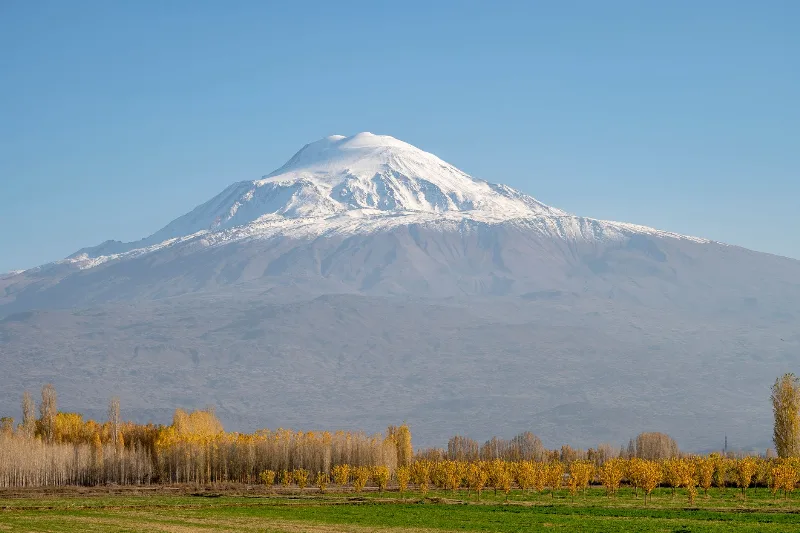
Mount Ararat
Mount Ararat (Ağrı Dağı) is a dormant, snow-capped stratovolcano in eastern Turkey and the country's highest mountain, rising in two distinct cones above the Iğdır Plain near the Iranian border.
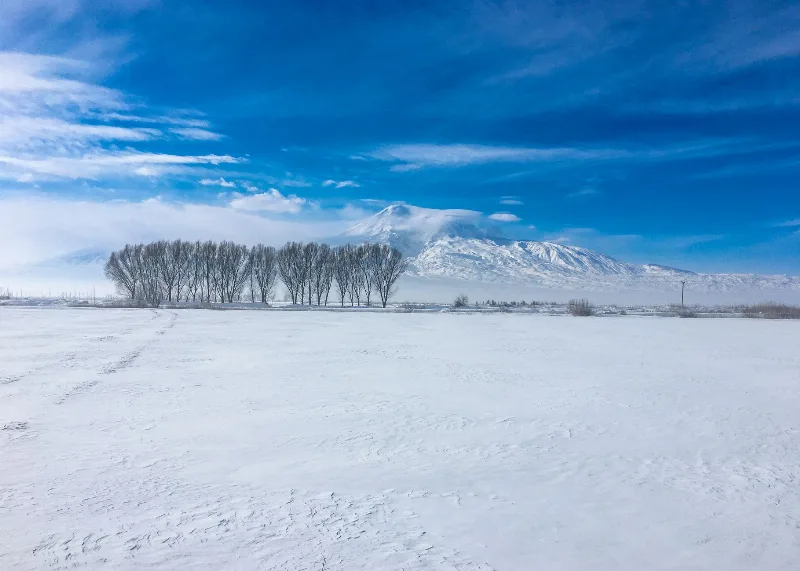
Mount Ararat
Mount Ararat is a dormant stratovolcano in eastern Türkiye and the country's highest mountain at 5,137 metres, known for its twin peaks, permanent ice cap and the long-standing Noah's Ark tradition.
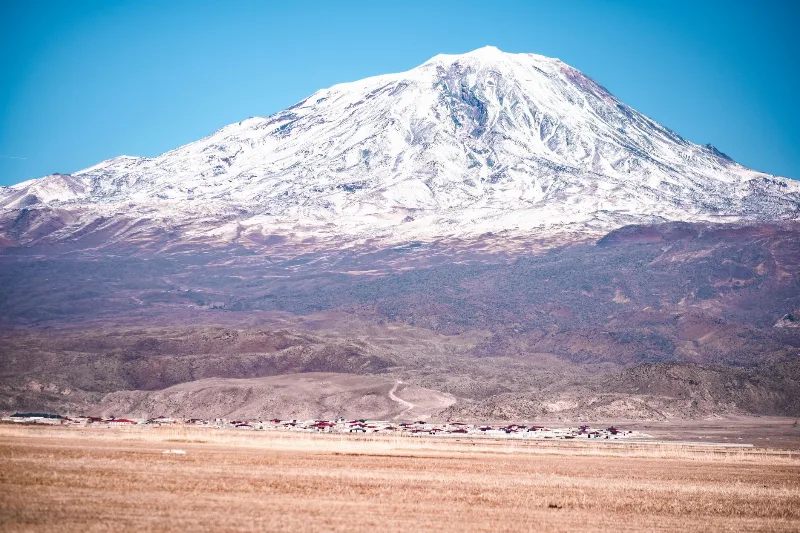
Mount Ararat Adventures
Mount Ararat, or Ağrı Dağı, is Türkiye's highest mountain, a snow-capped volcano in the far east that draws hikers with its high camps, wide plains and layers of legend.
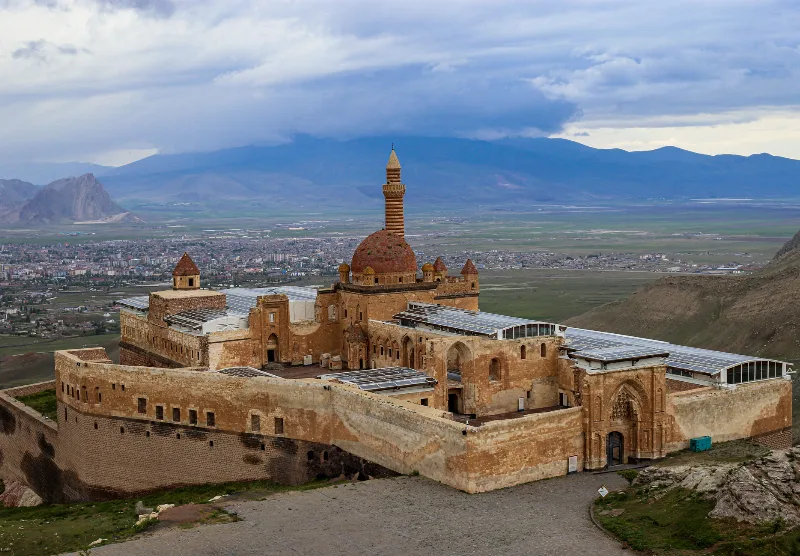
Ishak Pasha Palace
Ishak Pasha Palace is a partly ruined Ottoman palace complex built above Doğubayazıt in eastern Türkiye. Raised between the late 17th and late 18th centuries, it is known for combining Ottoman, Persian, Seljuk and Armenian building and decorative traditions on a terrace facing Mount Ararat.
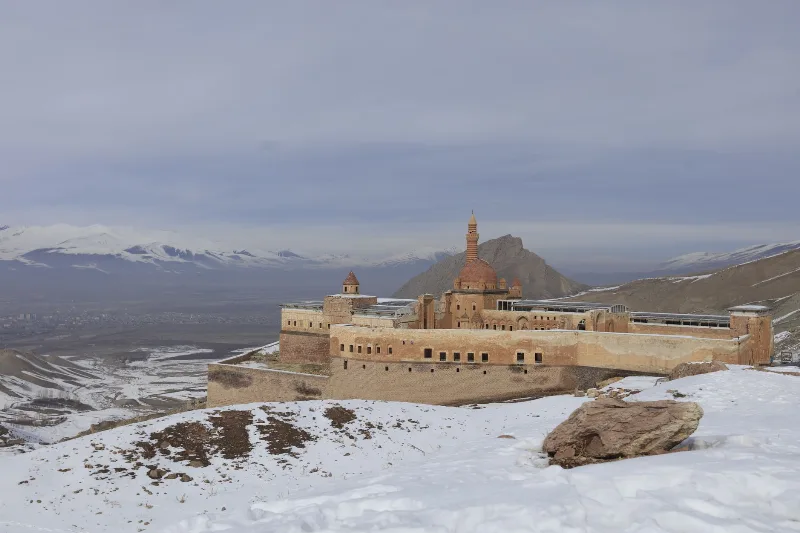
Ishak Pasha Palace
Ishak Pasha Palace is a late Ottoman palace complex in Doğubayazıt, Ağrı Province, eastern Turkey. Built between the late 17th and late 18th centuries, it is known for its stone architecture, which combines Ottoman, Seljuk, and Persian elements.
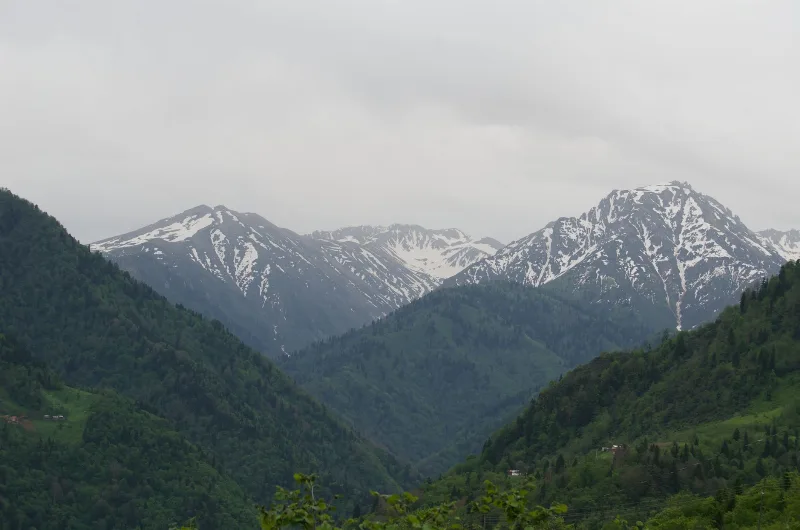
Mountains in Türkiye
Explore the stunning mountains of Türkiye, ideal for hiking and immersing in nature's beauty.