
Iğdır Apricots
Iğdır apricots are the sweet, aromatic apricots grown on the warm Aras River plain in eastern Türkiye, where hot dry summers and cold winters shape fruit that is eaten fresh and dried in large quantities.
Iğdır apricots are the apricots grown on the plain around the city of Iğdır, in the far east of Türkiye, where the country meets Armenia, Azerbaijan and Iran. The fruit comes from the apricot tree, Prunus armeniaca, the same species cultivated in other parts of Anatolia, but its character is shaped by a specific place: a broad, low river valley where intensely hot, dry summers and sharply cold winters produce fruit with high sugar, firm flesh and a pronounced aroma. In Iğdır the apricot is not a marginal garden tree but a signature crop, picked fresh in early summer and dried or preserved to be used through the rest of the year.
The Aras Valley: A Warm Plain in the Far East
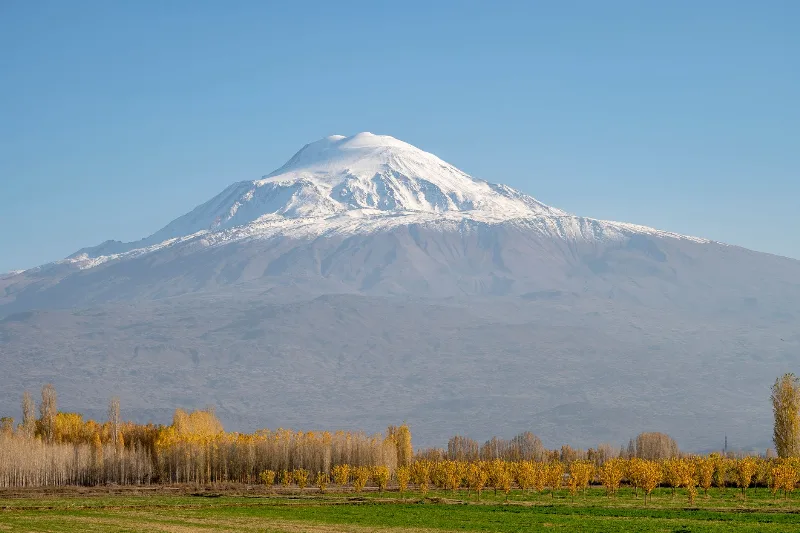
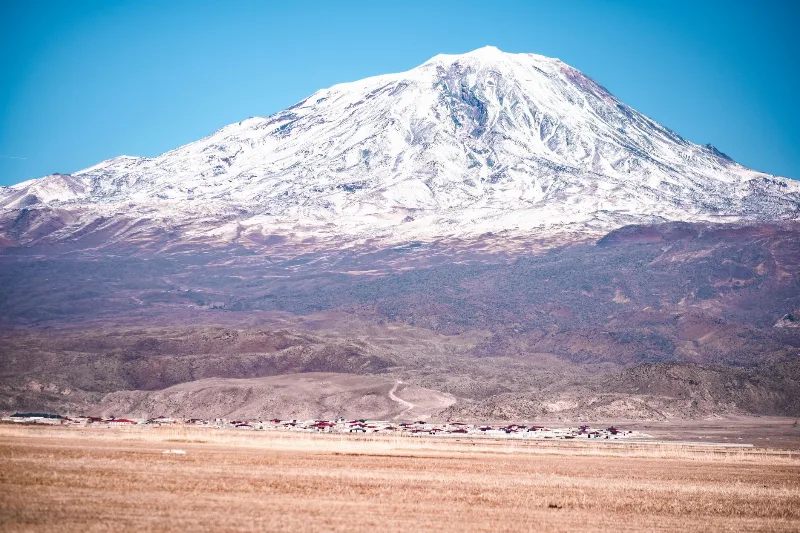
Iğdır sits in the valley of the Aras (Araks) River, a corridor that runs between high ground on both sides and opens toward the Caucasus. The plain lies at roughly 850 to 900 metres above sea level, and the massif of Mount Ararat rises to the south, its slopes marking the skyline above the orchards. Because the plain is low relative to the surrounding plateaus and mountains, it collects heat in summer and drains cold air in winter in a way that gives the area a climate quite different from the highlands around it.
Rainfall here is low, and the valley sits in a dry, sheltered position. That dryness is not a disadvantage for apricots, because the Aras River and a network of canals provide irrigation water drawn from snowmelt in the mountains. The result is a growing area that combines dependable water for the trees with a dry, sunny atmosphere around the ripening fruit — precisely the combination that favours stone fruit.
Why the Climate Suits Apricots
The local climate is continental in the fullest sense. Summers are long, hot and dry, with strong sunshine and little humidity. Winters are cold, with frost and snow. Apricots tolerate this pattern well. They need a period of winter chill to break dormancy and flower properly, and the cold Iğdır winters supply it. They also need heat and light to build sugar in the fruit, and the valley's summer temperatures and clear skies do exactly that.
The low humidity during summer is important in another way. Apricots are prone to fungal problems when the air stays damp around the canopy and the fruit, so a dry atmosphere reduces pressure from some of the diseases that trouble the crop in wetter regions. Dry air also makes the traditional practice of open-air drying practical, because harvested fruit can be laid out in the sun without being spoiled by rain or heavy dew.
The Tree, the Blossom and the Season
Apricot trees are among the first fruit trees to flower in spring, and in Iğdır the blossom usually opens in March or early April, before most other orchard trees are in bloom. Because flowering comes early, the crop is exposed to the risk of a late frost, and growers watch the spring weather closely; a cold night during blossom can reduce the year's fruit. Once the fruit has set, it develops quickly through the warm weeks of late spring.
Harvest follows in early summer. Depending on the variety and on the exact position of an orchard, picking generally begins in late June and continues into July, with early-ripening types gathered first and later selections following. Most fruit is picked by hand, because apricots soften quickly and bruise easily, and the trees are worked over several times so that fruit is taken at the right stage rather than all at once.
Sweetness, Aroma and Appearance
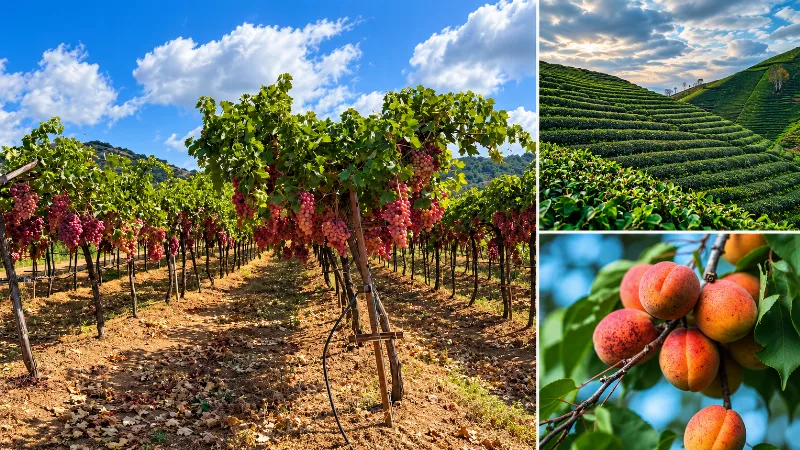
Iğdır apricots are known for their sweetness and their fragrance. The heat and sunlight of the valley encourage the fruit to accumulate sugars, while the cool nights that follow warm days help to concentrate flavour and aroma. Ripe fruit typically has a warm golden to orange skin, sometimes with a faint red blush on the side that faces the sun, and flesh that ranges from pale yellow to deep orange. The texture is firm enough to hold its shape when the fruit is cut or dried, yet juicy and soft when eaten fresh.
That firmness matters for drying. Apricots that break down too easily are difficult to handle after harvest, whereas fruit with a solid structure can be halved, stoned and dried without losing its form. The high sugar content also helps during drying, giving the finished product a rich, honeyed flavour rather than a flat one.
From Orchard to Dried Apricot
A large share of the Iğdır crop is dried rather than sold fresh. After picking, the fruit is halved and the stones removed, then laid out on trays, cloths or racks to dry in the open air under the summer sun. The dry, bright conditions of the valley make this possible within a relatively short time. Some apricots are dried without any treatment, keeping a dark, amber-brown colour and a dense, chewy texture; others are prepared in ways that preserve a brighter orange tone.
Once dried, the fruit is sorted, packed and stored. Because the moisture content is low, dried apricots keep well and can be held for months, which allows the harvest of a short summer season to be used throughout the year in the region and beyond it.
Apricots in the Iğdır Landscape and Economy
Apricot orchards are a visible part of the agricultural landscape around Iğdır, standing alongside other crops that thrive on the irrigated plain. For many farming families, apricots represent both food and income: the fresh fruit is sold in local markets and shipped to other cities, while the dried fruit reaches buyers far beyond the province. The tree also has a place in the cultural life of the area, where the arrival of the first ripe apricots marks the beginning of the summer fruit season.
Because the crop depends so closely on the valley's particular combination of heat, cold, water and dryness, the apricot has become part of how the region is identified. It is one of the products that people associate with Iğdır itself, in the same way that certain fruits are tied to other provinces of Türkiye.
How the Fruit Is Used
Fresh Iğdır apricots are eaten out of hand during their short season and are also used in jams, compotes and fruit preserves. Dried apricots are eaten as a snack, added to rice dishes and stuffings, and used in traditional sweets and desserts across Turkish cooking. Apricot kernels and the fruit's role in home preserving are also part of the local tradition, although the main use of the crop remains simple: eaten fresh in summer, dried for the rest of the year.
Other Apricot Growing Areas
Apricots are grown in several parts of Türkiye, and Malatya, further west in Eastern Anatolia, is the country's best-known apricot province, particularly for dried fruit. Other eastern provinces also produce apricots, and the Aras valley continues across the border, where the same crop is cultivated in neighbouring areas. Iğdır's apricots are distinguished less by being a different species than by the conditions of their own valley: a warm, dry, irrigated plain in the far east of the country that ripens fruit with a sweetness and aroma characteristic of that specific landscape.

Tantuni
Tantuni is a traditional Turkish street food from Mersin, made with finely chopped beef sautéed with onions, tomatoes, and spices, then wrapped in lavash. It is known for its juicy, flavorful filling and is a staple of Mersin's culinary culture.
Explore →
Kuymak
A soft, stretchy cornmeal dish cooked with butter and cheese, kuymak — also known as mıhlama — is a Black Sea breakfast staple served hot from the pan and eaten with bread.
Explore →
Boyoz
Boyoz is a round, flaky pastry from İzmir, made from a coiled flour-and-oil dough and traditionally eaten at breakfast with a boiled egg and tea.
Explore →Related content
Mount Ararat
Mount Ararat (Ağrı Dağı) is a dormant, snow-capped stratovolcano in eastern Turkey and the country's highest mountain, rising in two distinct cones above the Iğdır Plain near the Iranian border.
Mount Ararat
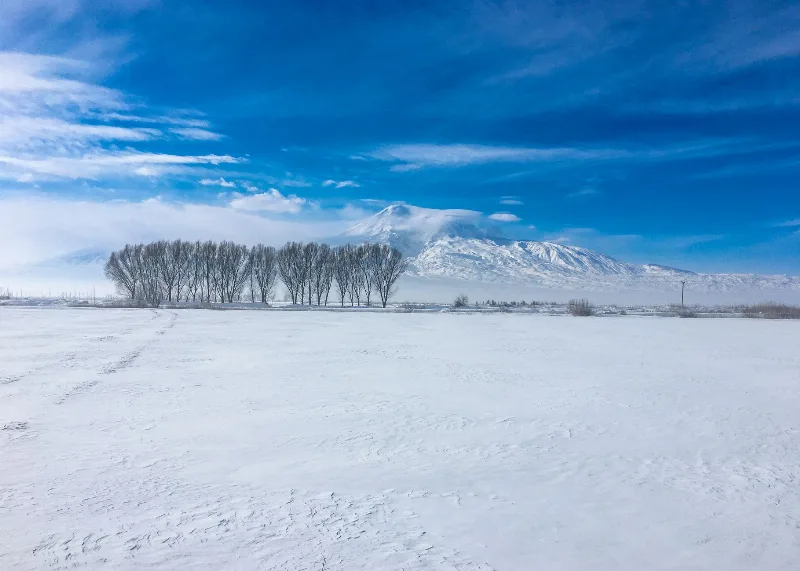
Mount Ararat is a dormant stratovolcano in eastern Türkiye and the country's highest mountain at 5,137 metres, known for its twin peaks, permanent ice cap and the long-standing Noah's Ark tradition.
Malatya
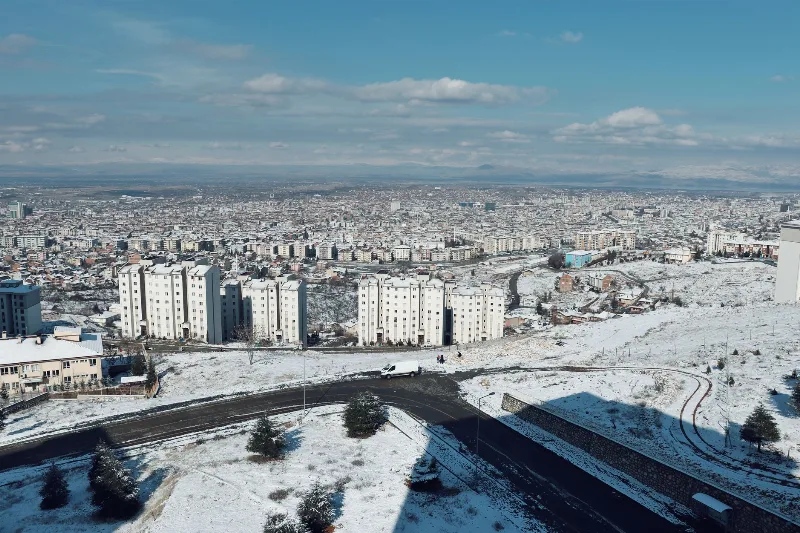
Malatya is a metropolitan city in eastern Türkiye and the heart of the country's apricot industry. Its layered history reaches back to the Chalcolithic settlement at Arslantepe, a UNESCO World Heritage Site beside the modern urban centre.
Eastern Anatolia Region
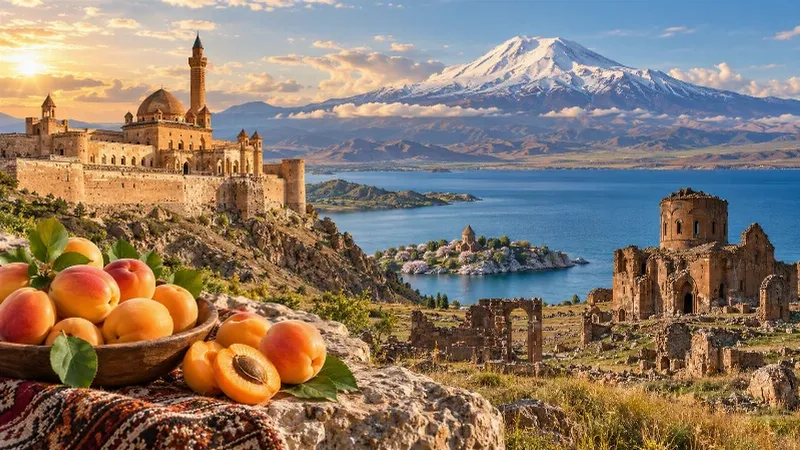
Eastern Anatolia is a region of majestic mountains, vast highlands, beautiful lakes and ancient cultural heritage. Home to Mount Ararat, Lake Van and historic settlements, it offers some of Türkiye's most dramatic natural landscapes alongside distinctive architecture, local traditions and regional cuisine.
Malatya Apricots
Malatya apricots are the apricots grown in the upper Euphrates basin of eastern Türkiye, where cold winters and hot, dry summers shape the fruit that is mostly dried and traded far beyond the province.
Mount Ararat Adventures
Mount Ararat, or Ağrı Dağı, is Türkiye's highest mountain, a snow-capped volcano in the far east that draws hikers with its high camps, wide plains and layers of legend.