
Apricot Blossom in Malatya
Each spring, the apricot orchards around Malatya in eastern Türkiye turn white and pale pink as the trees come into bloom, a short and weather-dependent window that shapes the summer harvest.
Every spring, the apricot orchards that surround the city of Malatya in eastern Türkiye come into flower, covering the plains and lower slopes with white and pale pink blossoms. Malatya is widely regarded as the apricot capital of Türkiye, and this flowering period is the moment when the region's most important crop becomes visible across the landscape. The bloom generally begins in late March and usually reaches its fullest extent during April, although the exact timing shifts from year to year depending on how cold or mild the preceding winter and early spring have been. This period is distinctive because it is brief, highly sensitive to weather, and directly decisive for the summer fruit harvest that follows.
Where the Blossom Can Be Seen
The apricot trees are not confined to a single grove or garden. They are spread across the districts that make up the wider Malatya area, including the central plain and the surrounding districts such as Battalgazi, Yeşilyurt, Akçadağ, Darende and Hekimhan, where apricot growing has long been part of local agriculture. Because cultivation is scattered rather than concentrated in one estate, the blossom is experienced as a broad change in the landscape rather than as a single viewing point. Visitors travelling through the area in spring commonly see orchards bordering roads, villages and the edges of farmland, with rows of flowering trees set against the dry, rolling terrain of the surrounding hills.
What Causes the Trees to Flower
Apricot trees need a period of winter cold before they can break dormancy and flower. Once the accumulated cold of winter has been satisfied, rising temperatures in early spring trigger the development of buds into open blossoms. This is why the timing is not fixed: a long, cold winter can delay flowering, while a warm late winter and early spring can bring it forward. Elevation also matters, since orchards at higher altitudes within the region tend to flower slightly later than those on the lower plain. The result is that the bloom often moves gradually across the province rather than appearing everywhere on the same day.
Why the Timing Matters
The flowering stage is the most vulnerable point in the apricot year. Open blossoms can be damaged by late frosts, which still occur in parts of inland eastern Anatolia during spring nights. A cold snap during the bloom can reduce pollination and cut the number of developing fruit, which is why growers watch the weather closely throughout this period. Bees and other insects do the essential work of pollination while the flowers are open, so calm, mild and reasonably dry conditions are helpful. Rain, wind or sudden cold at the wrong moment can shorten the bloom and limit how much fruit sets. This is the main reason the apricot season is tied so tightly to a narrow and unpredictable window of weather.
How Long the Bloom Lasts
An individual apricot tree usually stays in flower for a relatively short time, often around one to two weeks, depending on temperature and wind. Across the whole region, however, the visible flowering period tends to stretch longer, because different orchards reach full bloom at slightly different times. In a typical year, the wider window of blossom colour can extend through much of April. Cooler weather can hold the flowers on the trees a little longer, while warm, windy days can bring the petals down quickly and end the display sooner.
What the Landscape Looks Like
During the bloom, the colour of the apricot-growing areas changes noticeably. Trees that appeared bare through winter are covered in white and soft pink flowers, and from a distance an orchard can look pale and almost hazy. Since fruit trees are deciduous, the branches are still largely without leaves during flowering, so the blossom is clearly visible rather than hidden among foliage. The surrounding landscape at this time is typically green from spring rainfall, with fields and hillsides showing fresh growth, which contrasts with the drier, browner appearance the same area takes on later in the summer.
Weather and Year-to-Year Variation
Anyone planning to see the apricot blossom should treat the timing as approximate rather than fixed. The bloom can begin earlier or later than usual, and the best days to see it change annually with the weather. A mild winter and warm early spring often push flowering forward, while a cold spring can delay it. Late frost remains a real risk and sometimes damages the flowers before the season finishes. Visitors should also expect variable spring conditions, including cool mornings, occasional rain and muddy ground around orchards and rural roads.
From Blossom to Harvest
The spring flowering is directly connected to the apricot harvest that follows in summer, typically from around July into August. The number of blossoms that survive pollination and set fruit in spring largely determines how heavy that harvest will be. Malatya's apricots are used both fresh and, very extensively, for drying, which is the form most associated with the region. Seeing the orchards in bloom is therefore also a way of understanding the agricultural cycle that defines the area, from the delicate flowering weeks to the busy picking season a few months later.
Practical Expectations for a Visit
The apricot blossom in Malatya is a working agricultural landscape rather than a staged event. Visitors can realistically expect to see flowering orchards along rural roads and around villages, with the chance to observe the trees up close where public access allows. There is no single best viewpoint, and the experience depends on driving or walking through the apricot-growing districts. Because access to private orchards is not guaranteed, respectful viewing from roadsides and public paths is the usual approach. The most rewarding time generally falls within the April flowering window, when the trees across the region are at or near full bloom.
EXPLORE BY THEME
All themes →

Related content
Malatya
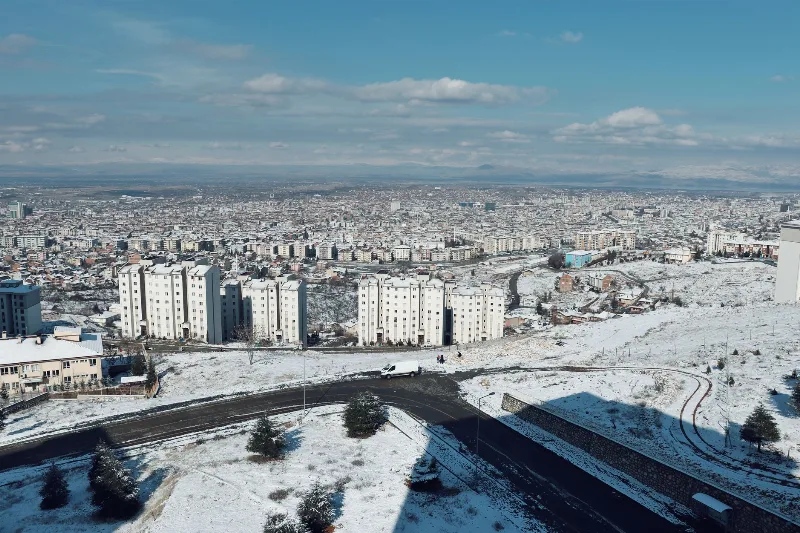
Malatya is a metropolitan city in eastern Türkiye and the heart of the country's apricot industry. Its layered history reaches back to the Chalcolithic settlement at Arslantepe, a UNESCO World Heritage Site beside the modern urban centre.
Malatya Apricots
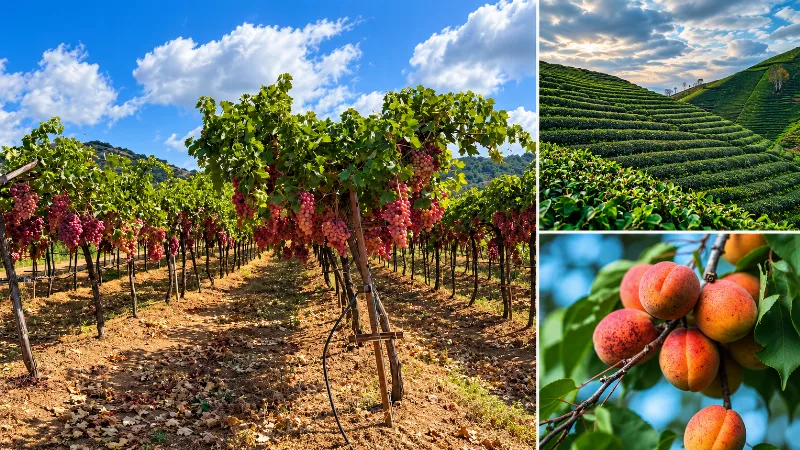
Malatya apricots are the apricots grown in the upper Euphrates basin of eastern Türkiye, where cold winters and hot, dry summers shape the fruit that is mostly dried and traded far beyond the province.
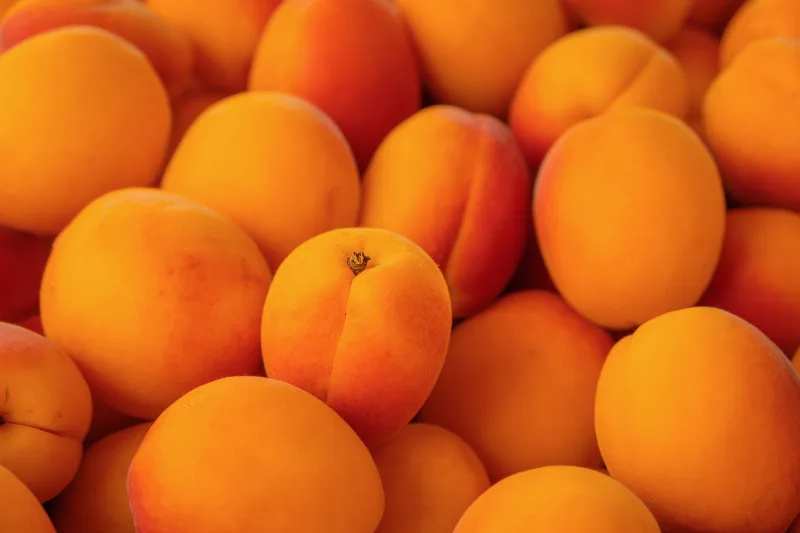
Elazığ Apricots
Elazığ apricots are a regional apricot product from eastern Türkiye, valued for their juicy, flavorful fruit. The province’s climate and fertile soils support both fresh use and traditional drying.
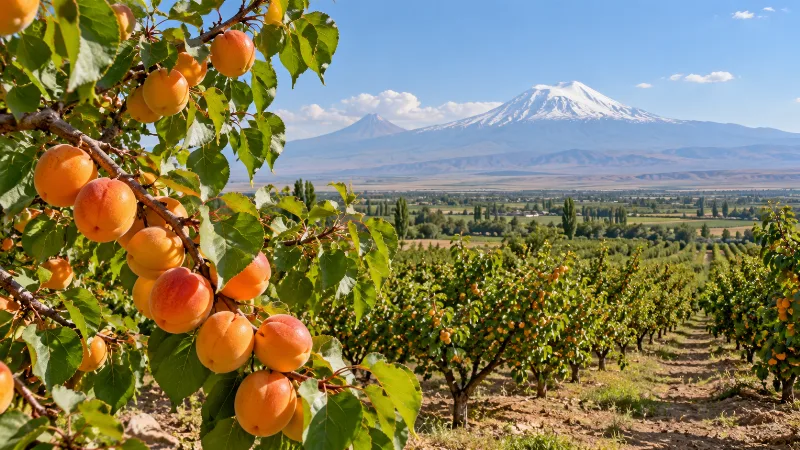
Iğdır Apricots
Iğdır apricots are the sweet, aromatic apricots grown on the warm Aras River plain in eastern Türkiye, where hot dry summers and cold winters shape fruit that is eaten fresh and dried in large quantities.
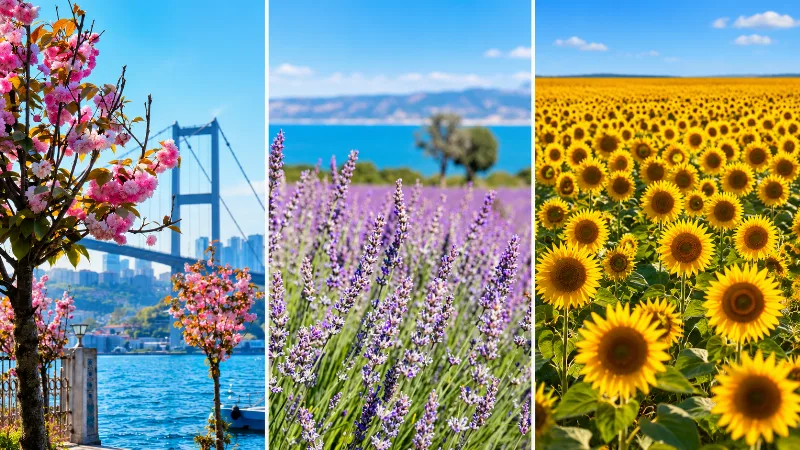
Spring in Turkey
From flowering valleys and green highlands to mild coastal towns, spring changes the landscape across different regions of Turkey.
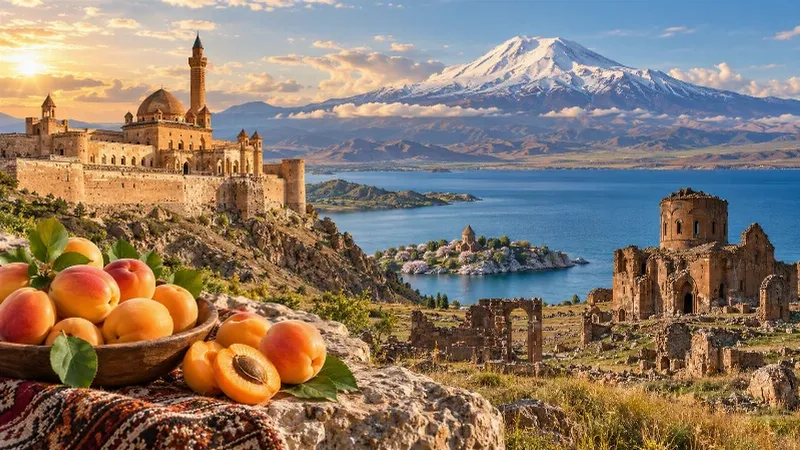
Eastern Anatolia Region
Eastern Anatolia is a region of majestic mountains, vast highlands, beautiful lakes and ancient cultural heritage. Home to Mount Ararat, Lake Van and historic settlements, it offers some of Türkiye's most dramatic natural landscapes alongside distinctive architecture, local traditions and regional cuisine.