
Flamingo Migration in Lake Tuz, Aksaray
Every spring, Lake Tuz in Aksaray becomes one of the Mediterranean's most important flamingo breeding sites, with thousands of birds nesting on its shallow, hypersaline flats through summer.
Each spring, Lake Tuz (Tuz Gölü) in Aksaray province becomes one of the most significant flamingo breeding sites in the Mediterranean region. Greater flamingos arrive on this very shallow, extremely salty lake in Central Anatolia, usually from around late winter into early spring, and gather in large nesting colonies on the mudflats and low islands that rise from the water. The season is distinctive because the lake's high salinity, warming temperatures and dense supplies of small brine shrimp create conditions that let the birds nest and raise chicks here rather than simply pass through on migration.
Where the Flamingo Colony Forms on Lake Tuz
Lake Tuz is the second-largest lake in Türkiye, stretching across parts of Aksaray, Konya and Ankara provinces. It is a closed, hypersaline basin with no outlet to the sea, and across much of its surface the water is only around one metre deep. The flamingo colony is associated mainly with the southern and central sections of the lake toward the Aksaray shore, where the shoreline is flat and the water is shallow enough for the birds to build nests directly on exposed mud and on low mounds surrounded by water.
Because the lake sits within a protected area, much of the breeding zone is not open to close access. Visitors typically observe the colony from designated vantage points near the shore, using binoculars or a long lens, and should keep a respectful distance from nesting areas.
When the Migration and Breeding Season Happens
The timing follows the rhythm of the Central Anatolian year rather than a fixed calendar. The birds generally begin returning as the lake warms and the water level stabilises in spring, and nesting activity usually peaks from around April into June. Chicks tend to appear in late spring and early summer, and the colony remains active through the summer months before the birds begin to disperse again toward late summer and early autumn.
This window is not guaranteed. In some years the season starts earlier, in others later, and the length of the visible period can vary considerably. Anyone planning a visit should treat the dates as a normal seasonal range rather than a precise schedule.
What Causes the Seasonal Change
Lake Tuz has no outflow, so water leaves the basin almost entirely through evaporation. In spring, snowmelt and rainfall from the surrounding plateau feed the lake and raise water levels slightly, creating the shallow flooded conditions the flamingos need for nesting. As summer advances, evaporation outpaces the inflow, the water recedes and the salt flats widen.
This cycle is what makes the lake so productive for the birds. The saline water supports dense populations of brine shrimp and other tiny organisms, which provide the food that sustains the flamingos through the breeding period. The seasonal rise and fall of the water effectively sets the timetable for the whole colony.
What Visitors Can Realistically Observe
During the breeding season, visitors can reasonably expect to see large numbers of flamingos spread across the shallow water, feeding, standing on nests or moving in loose groups along the shoreline. The birds are often distant, so clear views usually depend on optical equipment. The wider scene is dominated by white salt crusts, pale water and a very open, flat horizon.
Activity changes over the season. Early on, birds are busy with courtship and nest building; later, feeding and chick-rearing become the main visible behaviour. Quiet, patient observation generally reveals more than a quick stop, since the birds respond to movement and disturbance.
How Weather Affects the Timing
Weather is the single biggest variable. A cold, late spring can delay nesting, while a mild one can move it forward. Hot, dry summers speed up evaporation and can lower water levels quickly, while wetter springs keep the lake fuller for longer. Strong winds are common across this open basin and can push birds away from certain shores on a given day.
Because of this, the best approach is to think in terms of a broad season rather than a single date. Conditions can also differ noticeably between the northern and southern shores of the same lake.
The Colour of the Lake in Summer
As the season progresses, parts of Lake Tuz can shift in colour, taking on pink and reddish tones caused by salt-loving micro-organisms that thrive in the highly saline water. This transformation usually becomes most apparent in the hotter part of the summer, when the water is shallow and concentrated. It is a natural consequence of the lake's chemistry rather than a fixed event, and its intensity varies from year to year.
Nearby Places Worth Knowing
The town of Sultanhanı on the Aksaray side sits close to the lake and is a natural reference point for the southern shoreline, while Aksaray city provides the main access to the area. Other stretches of Lake Tuz fall within the neighbouring provinces, so it helps to be specific about which shore you intend to visit. Distances across this flat landscape can be deceptive, and facilities near the lake itself are limited.
Why the Location Matters
The flamingo season at Lake Tuz exists because of a rare combination: extreme salinity, shallow water, an abundance of food and a basin with no outlet. These conditions make the lake a genuine breeding ground, not just a stopover, and they explain why the birds return here year after year. Understanding that seasonal dependency is the key to timing a visit, since the colony is present only during the part of the year when the lake can support it.
EXPLORE BY THEME
All themes →
Nature
Lakes, forests, rivers, canyons, mountains, wetlands and national parks across Türkiye.
Explore →
Seasonal Experiences
Harvests, festivals, natural seasons and local events throughout the year.
Explore →
Historic Places
Ancient cities, monuments, castles and archaeological sites across Türkiye.
Explore →Related content
Lake Tuz
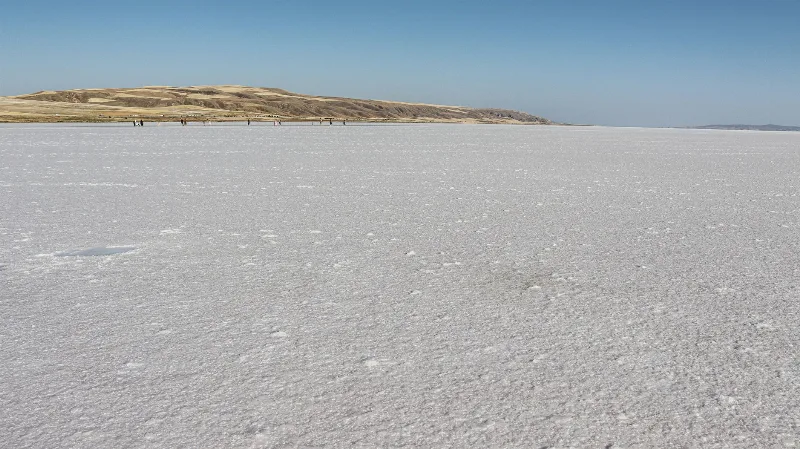
Lake Tuz (Tuz Gölü) is a hypersaline salt lake spread across Ankara, Konya and Aksaray in Central Anatolia, and one of the largest salt lakes in the world. Its shallow water, seasonal salt crust and flamingo colonies give it a character unlike any other lake in Türkiye.
Lake Tuz
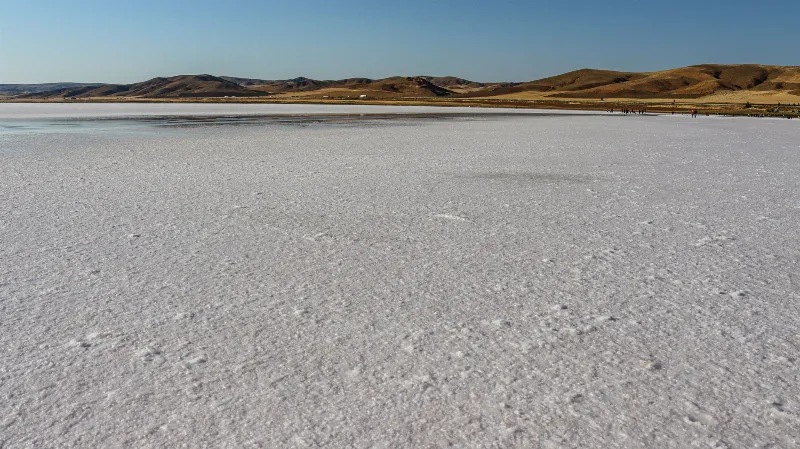
Lake Tuz is a hypersaline lake in Central Anatolia and the second-largest lake in Turkey, known for its salt crust, its salt industry and its flamingo colonies.
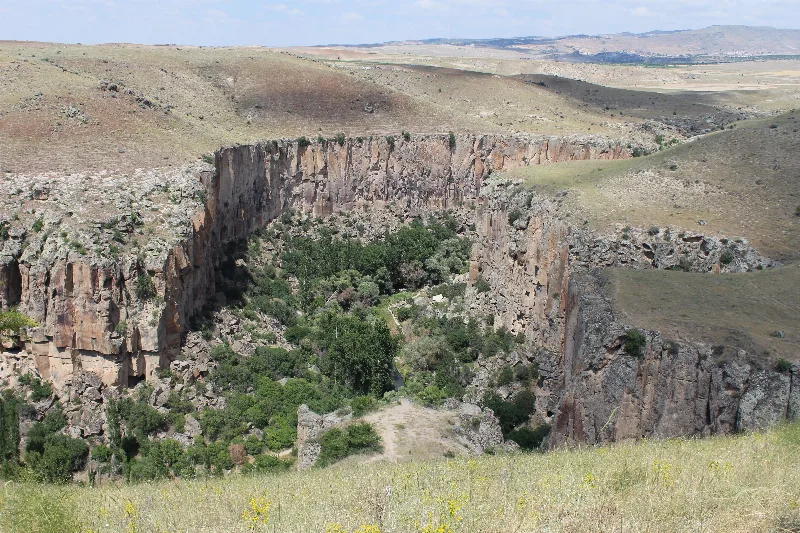
Aksaray
Explore Aksaray, Central Anatolia: history, standout sights, landscapes, local food and practical travel advice for an unforgettable journey in Türkiye.
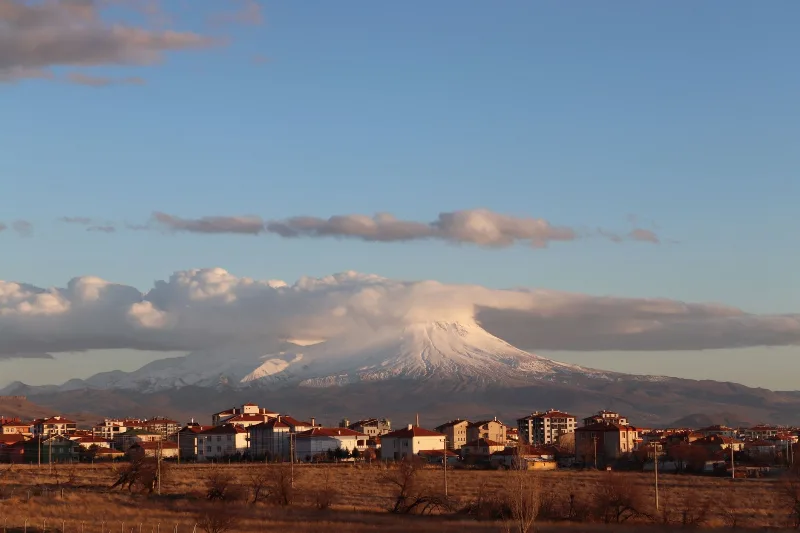
Mount Hasan (Hasan Dağı)
Mount Hasan is a dormant stratovolcano in Aksaray Province, Central Anatolia, rising to roughly 3,268 metres above the surrounding steppe and forming part of the Cappadocia volcanic province.
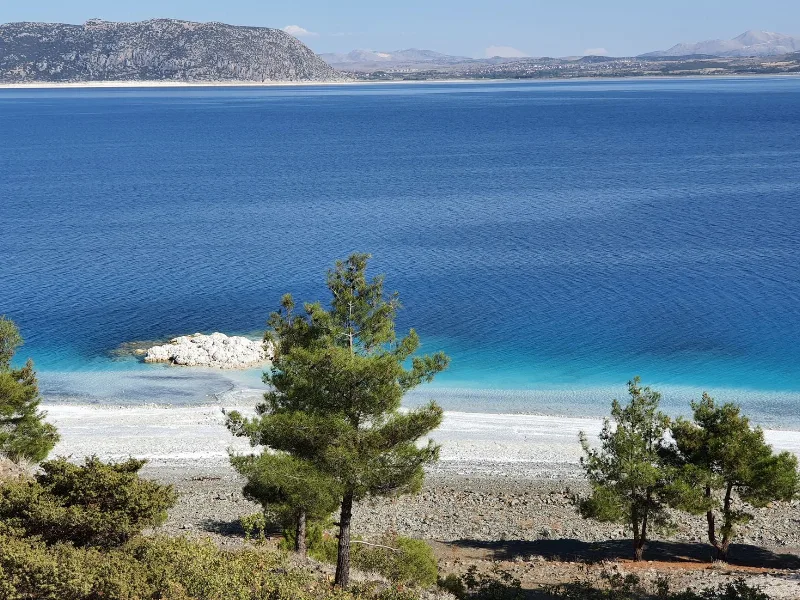
The Serene Lakes of Türkiye
Türkiye’s lakes range from vast soda lakes to salt flats and freshwater basins, each offering calm landscapes and rich wildlife. This page introduces notable lakes across different regions and their seasonal character.

Central Anatolia Region
Central Anatolia is the historic heartland of Türkiye, known for its wide plains, extraordinary rock formations, ancient civilizations and traditional towns. From the fairy chimneys of Cappadocia to the cultural landmarks of Ankara and Konya, the region reveals the rich history and natural beauty of inner Anatolia.