
Snow Season in Kartalkaya, Bolu
Kartalkaya, the mountain ski area above Bolu in northwestern Türkiye, usually holds its snow cover from around December to March. The season is defined by cold inland winters, high elevation and pine forest slopes that stay white through the core winter months.
Kartalkaya is a ski area in Bolu Province in northwestern Türkiye, set in the Köroğlu Mountains at elevations roughly above 1,800 metres. Its snow season generally begins in December and lasts into March, and sometimes edges earlier into late November or lingers into early April when winter weather is unusually persistent. This is a seasonal transformation rather than a year-round condition: the slopes are bare in summer, and the arrival and retreat of snow decide when the area functions as a winter destination at all.
Where the Snow Season Happens in Bolu
Kartalkaya sits within the forested highlands that lie between Bolu and the surrounding plateau, a zone that receives markedly colder and longer winters than the coast or the İstanbul region. The ski terrain occupies the upper slopes of the mountain, where long runs descend through pine stands and open bowls. Because the resort is compact and oriented around a single mountain shoulder, the whole visible landscape turns white at roughly the same time, rather than only the highest ridges.
When the Season Normally Starts and How Long It Lasts
The dependable core of the season is usually January and February, when snow depth is greatest and the cover is most stable. December often brings the first lasting accumulation, though early-season conditions can be thin or patchy depending on how quickly cold air settles over the region. March is typically a transition month: snow remains on the slopes, but longer daylight and rising daytime temperatures gradually soften the surface, and lower runs can turn heavy or slushy by afternoon. In a typical year the skiable window runs for around three to four months, with the strongest conditions concentrated in the middle of that period.
What Creates the Snow at This Elevation
The inland position of Bolu and the altitude of Kartalkaya are the two main factors. Cold air masses moving across Anatolia meet moisture carried from the Black Sea side of the mountains, and the resulting precipitation falls as snow at these heights. Elevation matters because temperatures drop steadily with altitude, so rain that reaches the lower valleys can be snow on the upper slopes. This geography explains why a mountain only a few hours from large cities can hold winter conditions for months while nearby lowland areas stay largely clear.
The Winter Landscape: Pine Forest and Open Slopes
Kartalkaya is known for slopes framed by dense pine forest, and this woodland shapes the visual character of the season. As snow accumulates, the dark conifers hold white on their branches while the cleared runs stay open and bright, creating strong contrast across the mountain. On clear winter days the wider Köroğlu ranges are visible in the distance, also under snow. Fog, low cloud and drifting snow are also part of the picture, since mountain weather changes quickly, and visibility can shift within a single morning.
What Visitors Can Realistically Expect
The terrain is varied enough to suit different levels, with gentler gradients alongside steeper pitches. In practice, what a visitor sees depends heavily on the phase of the season: early winter may offer fresh snow but limited coverage, mid-winter usually delivers the deepest and most consistent surface, and late winter brings warmer, softer snow and occasional bare patches on south-facing or lower sections. Snowmaking supports the main runs when natural snowfall is scarce, so the season is not entirely dependent on natural accumulation, although natural snow still determines the overall quality of the experience.
Why Timing Changes from Year to Year
Snow arrival and melt vary annually because they depend on the track of winter storms, the strength and duration of cold spells, and the amount of precipitation that reaches the mountains. A season can open convincingly in early December in one year and only settle properly in January in another, and the final melt can come in mid-March or stretch toward April. For this reason, approximate seasonal timing is a guide rather than a fixed date, and anyone planning around the snow should treat the window as flexible.
Practical Conditions on the Mountain
Winter here means genuine cold, often well below freezing at elevation, with wind that makes conditions feel sharper on exposed slopes. Roads up to the mountain can be affected by snow and ice during storms, and access depends on winter driving conditions. At the end of the season, melting snow produces wet, slushy ground along lower runs and around the base area. Sturdy winter clothing, water-resistant footwear and attention to daily weather reports are useful, because conditions on the same slope can differ noticeably between morning and afternoon.
Nearby Places in the Same Winter Setting
Bolu city and the surrounding forested highlands share the same cold inland climate, and the region's wooded valleys and lakes often hold snow in the same months as Kartalkaya. Visitors interested in the wider seasonal picture can see how the same winter weather that covers the ski slopes also settles across the broader Bolu landscape, connecting the resort experience to the surrounding geography.
EXPLORE BY THEME
All themes →
Historic Places
Ancient cities, monuments, castles and archaeological sites across Türkiye.
Explore →
Hidden Places
Less-known villages, coves, valleys, historic sites and natural areas across Türkiye.
Explore →
Villages
Small settlements, traditional architecture and rural landscapes across Türkiye.
Explore →Related content
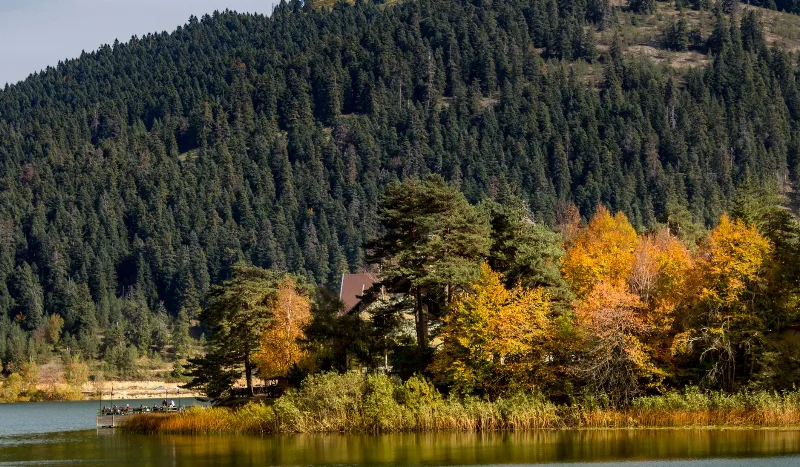
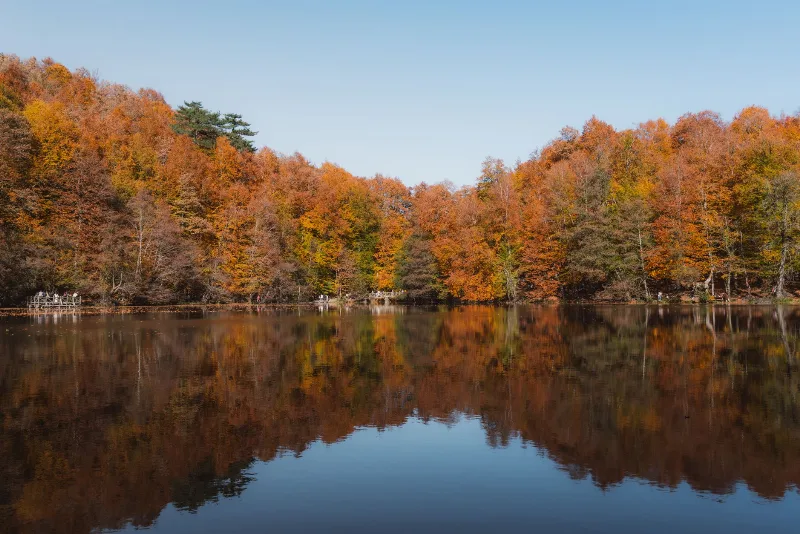
Autumn in Lake Abant, Bolu
From about October into November, the broadleaf woodland around Lake Abant in Bolu turns yellow, orange and red while the fir and pine stands around the shoreline stay dark green. The colour period lasts only a few weeks and shifts each year with temperature, rainfall and wind.
Yedigöller National Park and the Seven Lakes of Bolu
Yedigöller National Park in Bolu Province gathers seven small lakes inside dense woodland, offering quiet walking country, rich plant life and a striking autumn palette in the Western Black Sea region of Türkiye.
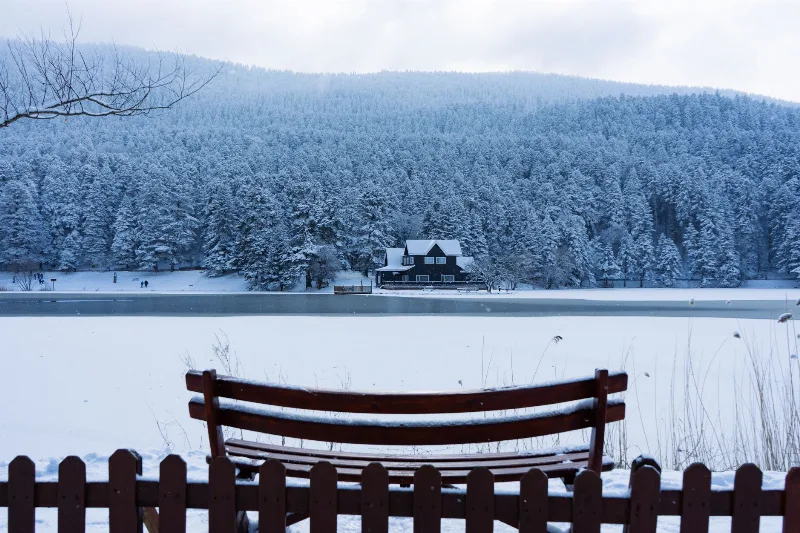
Lake Abant
Lake Abant is a freshwater lake in Bolu Province, northwestern Türkiye, sitting at around 1,300 metres in a forested mountain basin. Its shoreline of pines, firs and beeches makes it one of the country's best-known inland lakes.
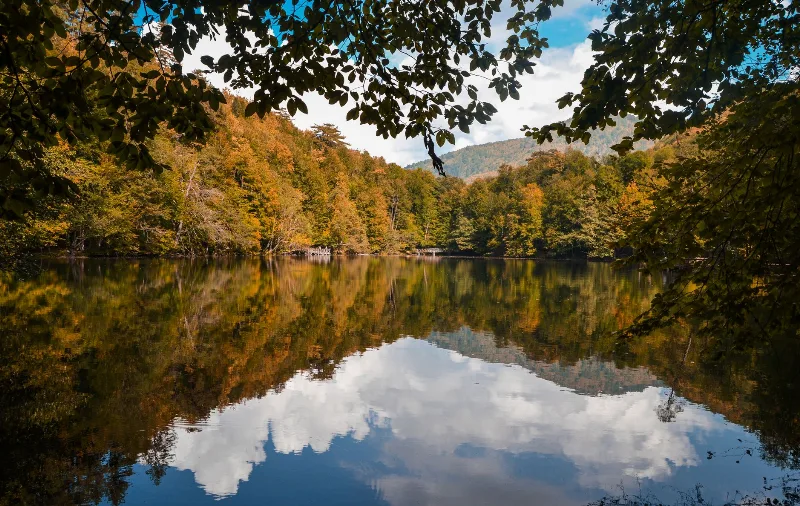
Autumn in Yedigöller, Bolu
Each year, the forests around Yedigöller's seven lakes turn brilliant shades of red, yellow, and orange, with the peak display usually occurring between mid-October and mid-November. This seasonal transformation is one of Turkey's most reliable autumn spectacles.
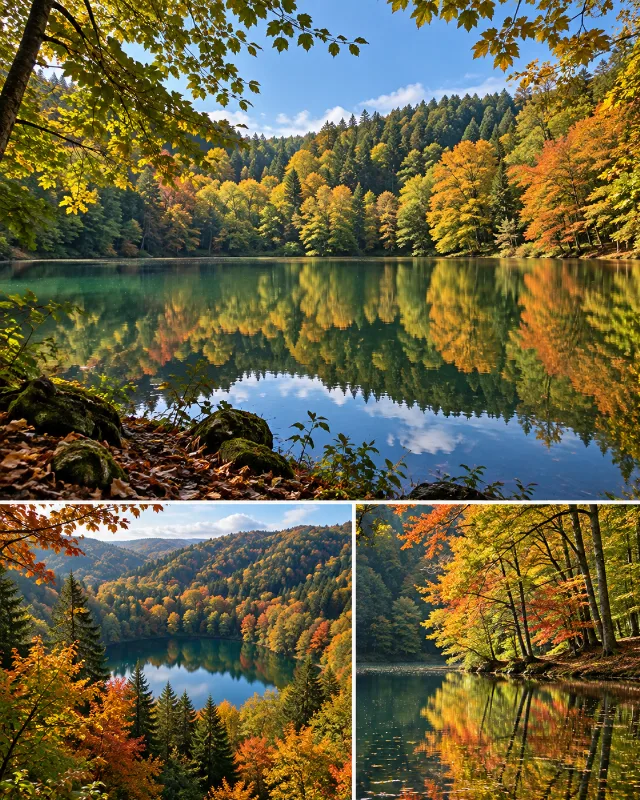
Yedigöller National Park
Yedigöller National Park in Bolu, Turkey, is a protected area centered on seven small lakes formed by landslides. The park is known for its dense forests, seasonal color changes, and tranquil walking paths.
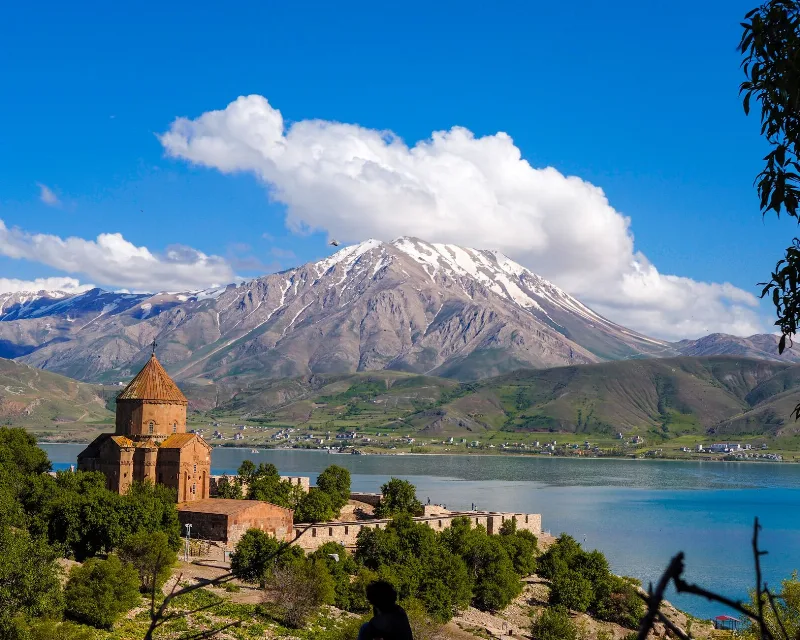
Lakes and Natural Beauty in Türkiye
A journey through the lakes of Türkiye, from the wide soda waters of Lake Van to forest pools in Bolu, salt flats on the Central Anatolian plateau and reed beds full of birds.