
İbrahimpaşa
İbrahimpaşa is a farming village in Nevşehir Province, Cappadocia, known for a rock-cut underground city and traditional cave dwellings. It offers a quieter, far less developed look at Cappadocian village life near Ürgüp.
İbrahimpaşa is a village in Nevşehir Province, in the Cappadocia region of central Türkiye. It sits in open plateau country near the town of Ürgüp, in a landscape formed from soft volcanic tuff — rock that is easy to carve, and which has therefore shaped how people have built here for centuries. The settlement is known for an underground city cut into the rock beneath it and for a large number of cave dwellings and stone houses carved into the surrounding slopes. This is a lived-in farming village rather than a developed visitor site, and that is what gives it its character.
Where İbrahimpaşa Sits in the Cappadocian Landscape
The village belongs to the Nevşehir area of Cappadocia, the inland plateau of central Anatolia where volcanic eruptions once laid down thick layers of ash that later hardened into tuff. This pale, porous stone is the defining material of the region: it can be cut with hand tools, yet it stands up well enough to hold rooms, arches and whole façades. Around İbrahimpaşa the land is gently undulating rather than dramatic, with fields, low ridges and patches of eroded rock. Vineyards, fruit trees and open farmland surround the village, and the horizon is often broken by the cone-shaped rock formations that Cappadocia is known for. Because it lies close to Ürgüp and Nevşehir, the village sits within easy reach of the main transport and service centres of the region while remaining clearly rural in feel.
Rock-Cut Dwellings and Traditional Houses
What defines İbrahimpaşa architecturally is the mix of two building traditions that run side by side. The first is rock-cut architecture: rooms, storerooms, stables and courtyards hollowed directly out of the tuff, often with carved arched doorways and windows opening onto the outside. The second is masonry building using blocks of the same local stone, raised in front of or alongside the carved spaces and frequently connected to them. Many structures show the vaulted ceilings and simple arched openings typical of Cappadocian village building. Flat-roofed houses, walled courtyards and stone outbuildings are common, and some of the older carved spaces are still used for storage or for keeping animals rather than as living rooms. Walking through the village, you see how closely daily life has always been tied to the rock itself.
The Underground City Beneath the Village
İbrahimpaşa is particularly associated with an underground settlement tunnelled into the soft stone below and around the village. Cappadocia has many such underground cities, and they share a recognisable set of features: passages linking chambers at more than one level, rooms used for storage, living and shelter, and ventilation shafts that carried air down from the surface. These complexes were not built as a single project but were expanded over long periods, which is why their layouts can feel irregular. Unlike the large, heavily visited underground cities of the region, the one at İbrahimpaşa is not a fully developed tourist monument, so conditions inside and the possibility of entering can depend on local circumstances. If seeing it matters to you, ask locally in the village before planning your day around it rather than assuming fixed visiting arrangements.
Walking Through the Village
The streets of İbrahimpaşa are narrow, unpaved in places, and shaped by the terrain they cross. Stone walls bound small courtyards, and carved façades appear unexpectedly beside ordinary modern houses, so the village reads as layers of different periods rather than a single historic ensemble. Some lanes climb, and the ground can be uneven or stony, which makes sturdy footwear useful. From higher points you get views across the surrounding farmland and toward the rock outcrops beyond the houses. Expect a working village: tractors, animals, stacked fuel or fodder, and people going about their day. There is no formal route to follow, and the most rewarding approach is simply to walk slowly and look at how the carved and built structures fit together.
Village Life and Everyday Character
Agriculture remains the backbone of the settlement. Vineyards, fruit growing and field crops are part of the local economy, and livestock keeping continues in and around the village. As in much of rural Cappadocia, younger residents have increasingly moved to larger towns and cities for work, while families who remain maintain the farming routines that keep the village active. This matters for visitors because it means İbrahimpaşa is not a museum piece: the carved rooms, courtyards and stone houses are attached to real households. Some rock-cut spaces are private property, used as cellars or stores, so it is normal and expected to ask before entering a courtyard or photographing inside someone's property. Treating the village as a place where people live, rather than as an open-air attraction, will make a visit both easier and more respectful.
Getting to İbrahimpaşa
The practical way to reach the village is by road, and most visitors arrive by car or by taxi from the larger towns of the region. Nevşehir, the provincial capital, and Ürgüp are the main reference points for transport: both are served by intercity buses, and Nevşehir also has the regional airport that handles flights into Cappadocia. From either town, the village lies a short drive into the countryside. Roads in this part of Nevşehir Province are generally in reasonable condition, but the final approach and the lanes within the village are narrow, so driving slowly and parking where you do not block a courtyard or field entrance is advisable. Once you leave the main road, signposting is limited, so having your route saved offline before setting out is a sensible precaution.
When to Visit
Cappadocia has a continental inland climate, and that shapes the best seasons for a village visit. Spring, roughly from April to June, brings mild temperatures, green fields and wildflowers on the slopes, while autumn, from September into October, offers stable weather and clear light, with the grape harvest part of the local rhythm. Summer days can be genuinely hot, especially on the exposed plateau where shade is scarce, so early mornings and late afternoons are more comfortable. Winter is cold, and snow is possible; carved rock and stone surfaces can become slippery when wet or icy, which makes walking in the village slower and less predictable. If your main interest is the underground city, note that conditions inside are not affected by the season in the same way as surface walking, but local availability may be.
Practical Points Before You Go
- Assume that visitor services in the village are minimal and bring water, food and sun protection with you from Nevşehir or Ürgüp.
- Wear shoes with good grip; lanes are stony, sometimes sloped and uneven underfoot.
- Ask permission before entering courtyards or carved rooms, since many are privately used.
- Carry cash for small local purchases, as card payment is not guaranteed in a settlement of this size.
- Mobile coverage can be patchy in the hollows and around the rock outcrops, so do not rely on it for navigation.
- If you plan to go inside the underground city, confirm the current situation on the spot rather than relying on older information.
Nearby Places in the Same Part of Cappadocia
İbrahimpaşa sits within the network of settlements that make up the Nevşehir and Ürgüp side of Cappadocia. Ürgüp is the nearest well-known town, with its own concentration of rock-cut buildings, and Nevşehir provides the region's main services and connections. The wider area contains the best-known underground cities of Cappadocia, and the valleys, rock formations and historic villages that most visitors to the region come to see. Because the countryside between these places is short on straight roads and full of small turnings, it is worth grouping İbrahimpaşa with one or two other stops in the same direction rather than treating it as a long-distance destination on its own.
From the land
Find All →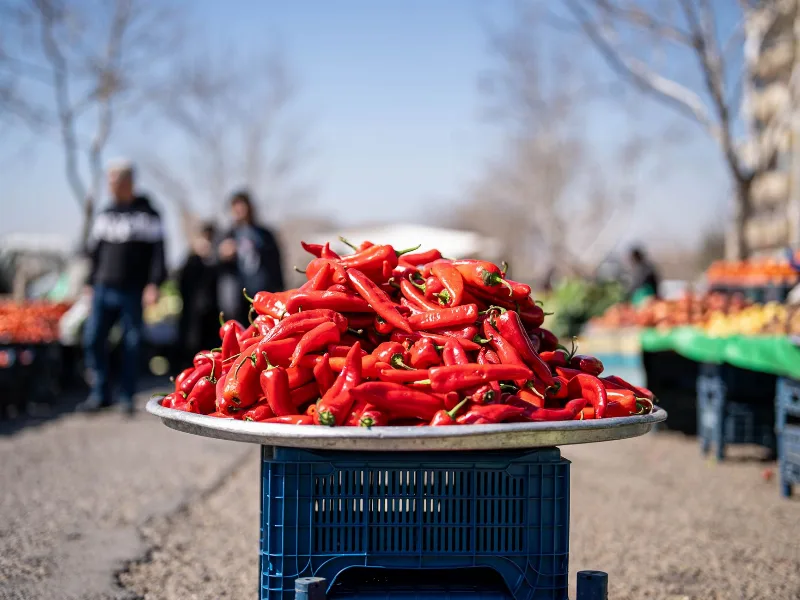
Kahramanmaraş Peppers
Kahramanmaraş peppers are the red peppers grown on the inland plains of southern Türkiye, where hot, dry summers and fertile soils give the crop its deep colour, moderate heat and smoky aroma.
Explore →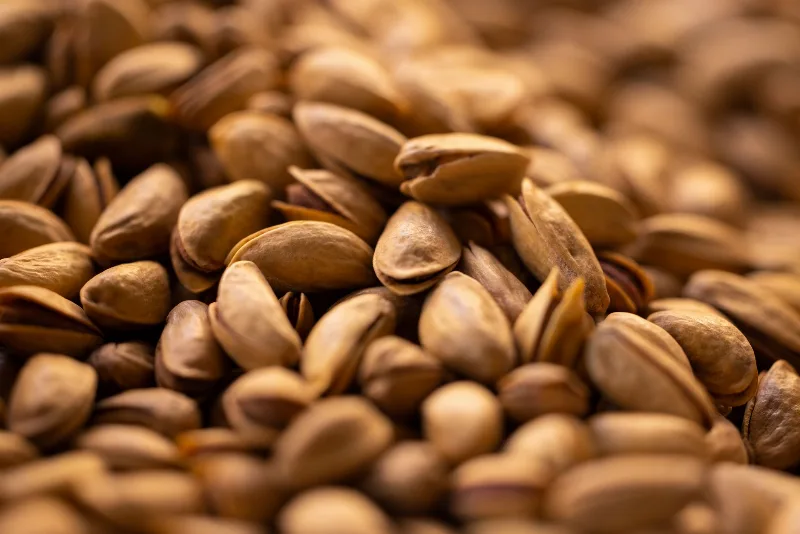
Antep Pistachios
Antep pistachios are the pistachios of Gaziantep and its surrounding plateau in southeastern Türkiye, a nut shaped by hot, dry summers and stony, limestone-rich ground.
Explore →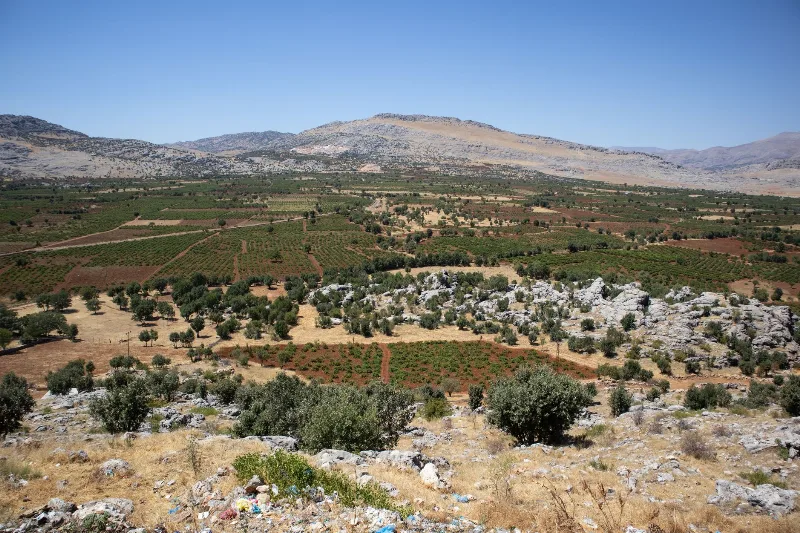
Milas Olive Oil
Milas olive oil is pressed from olives grown in and around the Milas district of Muğla province, where a Mediterranean climate, stony hillsides and the Memecik olive give the oil its fruity, peppery character.
Explore →Related content
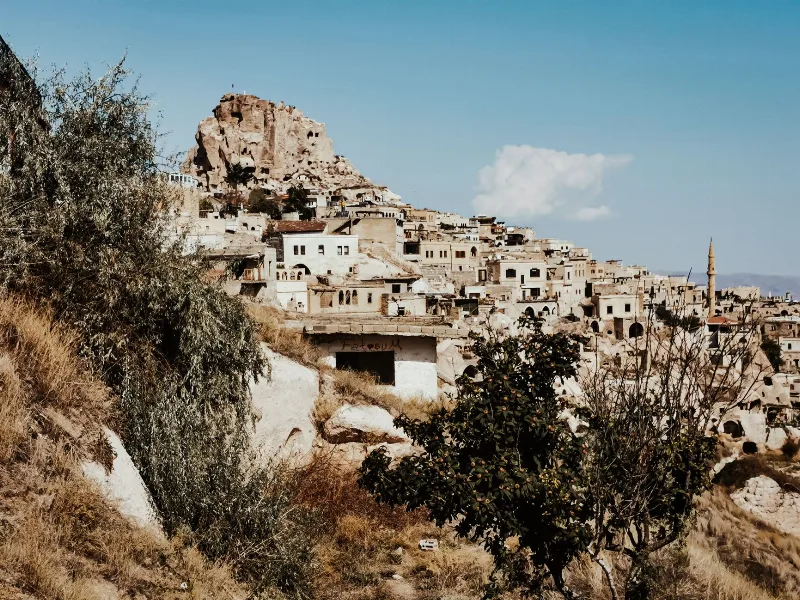
Nevşehir
Nevşehir is a provincial capital in Central Anatolia and the main urban base for the rock landscapes, underground settlements and balloon flights of the Cappadocia region.
Cappadocia
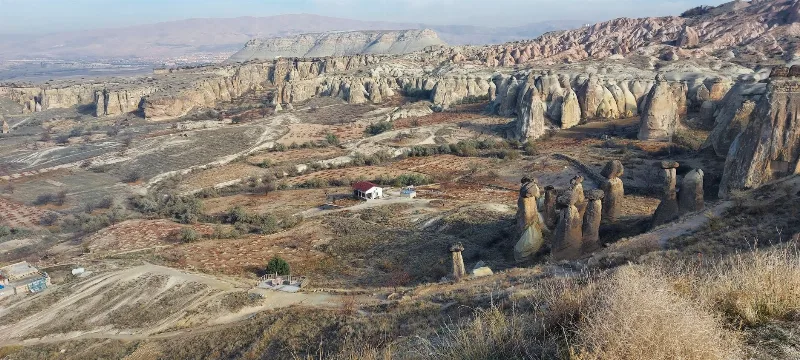
Cappadocia is a region of Central Anatolia in Turkey defined by eroded volcanic tuff, rock-cut Byzantine churches and multi-level underground cities. This guide explains how the landscape formed, what the main valleys and sites actually contain, and what to know before visiting.
Nevşehir Potatoes
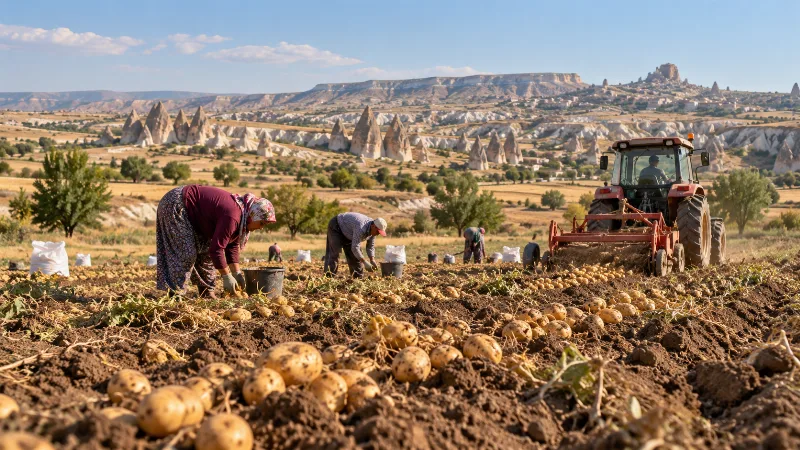
Nevşehir potatoes are grown on the volcanic plateau of Cappadocia in central Türkiye, where tuff-derived soils, cold winters and warm dry summers shape a crop that is harvested in late summer and kept in the region's cool rock-cut storage chambers.
Nevşehir Grapes
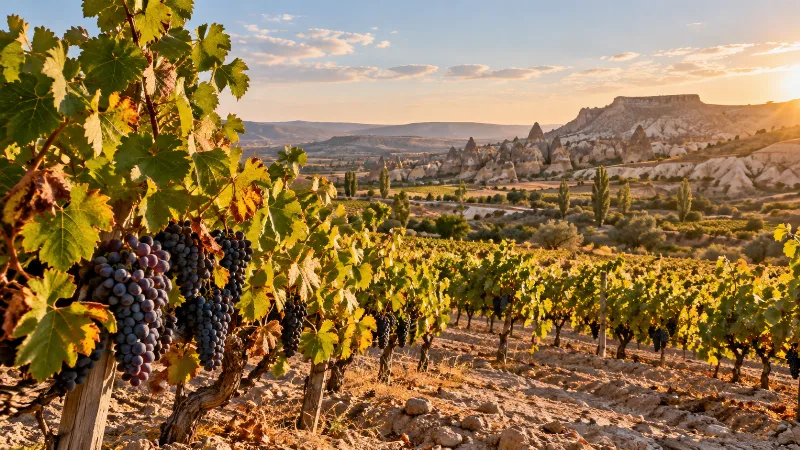
Nevşehir grapes come from the volcanic plateau of Cappadocia in central Türkiye, where thin tuff soils, high elevation and dry summers support vineyards grown for wine, grape molasses and drying.
2-Day Cappadocia Underground Cities Route
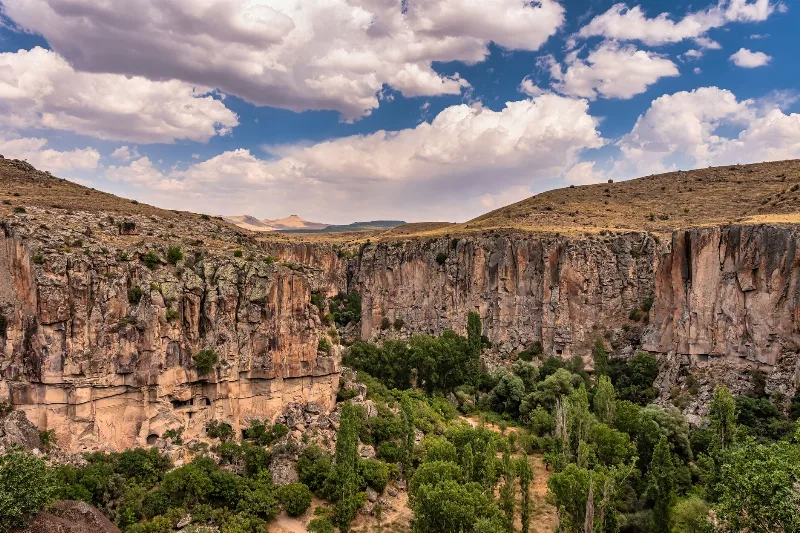
A two-day route from Nevşehir through the underground cities of Kaymaklı and Derinkuyu, finishing with a walk through the Ihlara Valley and the rock-cut complex at Selime.
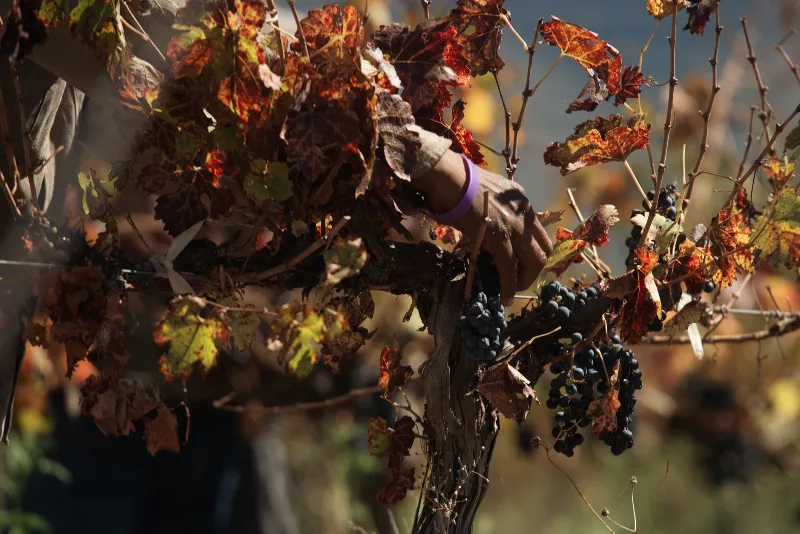
Grape Harvest in Nevşehir
Each autumn the volcanic slopes around Nevşehir turn to grape picking, when families gather fruit for wine and molasses across the Cappadocia vineyards.