
Pokut
Pokut is a traditional highland settlement in the Çamlıhemşin district of Rize, set on the northern slopes of the Kaçkar Mountains and known for its wooden houses, summer pasture life and persistent mountain fog.
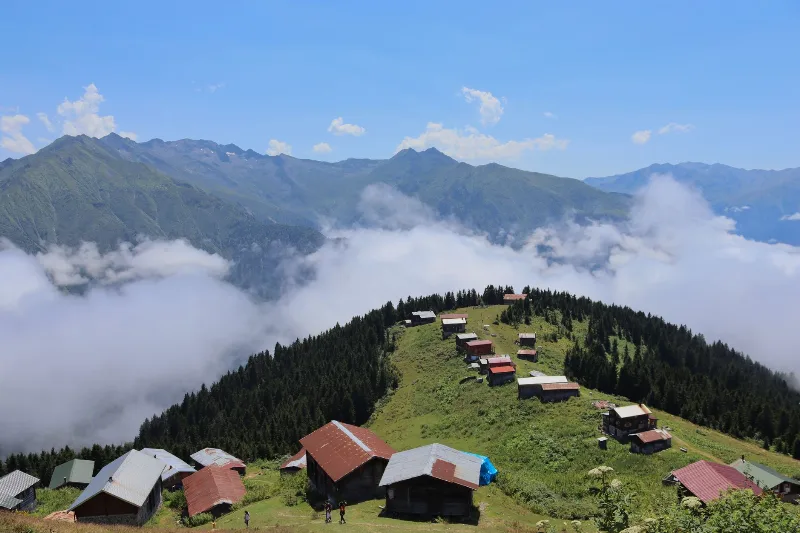
Pokut is a high mountain settlement, known in Turkish as a yayla, in the Çamlıhemşin district of Rize Province in Turkey's eastern Black Sea region. It stands on the northern slopes of the Kaçkar Mountains at an elevation of roughly 2,000 metres, above the valley of the Fırtına River. The place is a loose cluster of traditional timber houses spread across a grassy saddle, framed by steep forested slopes and higher ridges. Its defining features are the wooden architecture, the cool and humid mountain climate and the fog that moves across the plateau through much of the summer.
Where Pokut is and how it sits in the landscape
Pokut belongs to the wider group of Kaçkar yaylas that rise behind the Black Sea coast, in the inland part of Çamlıhemşin. The plateau faces the Fırtına valley, the deep green gorge that carries the Fırtına River down toward the coast, and it looks out across a series of ridges that climb steadily toward the high Kaçkar summits. Because of the altitude and the proximity of the Black Sea, the weather here changes quickly: clear mornings can give way to cloud within an hour, and damp mist often settles over the meadows in the afternoon.
The setting is genuinely mountainous rather than coastal. There is no sea view; instead, the plateau is surrounded by beech and spruce forest lower down, alpine meadow at its own level and bare rock and scree on the peaks above. This position between forest and high pasture is what gives Pokut its particular atmosphere and its role as a summer grazing ground.
A highland village of wooden houses
The settlement is made up almost entirely of traditional yayla houses, built from timber and set into the slope. Typical structures are single or two-storey buildings with wide overhanging roofs, timber walls and small windows designed to hold warmth against the cold and wet. Many stand on low stone bases, and some are grouped in small clusters where families historically spent the summer months with their livestock.
These houses were never intended as year-round homes. For generations, families from villages lower in the valley moved up to Pokut in late spring, lived there through the grazing season and returned down before the first heavy snow. That pattern of seasonal movement shaped the settlement: simple, practical buildings, no large public architecture, and a layout that follows the terrain rather than a street plan. In recent decades some of the houses have been kept in use for longer periods, but the plateau still reads clearly as a seasonal highland village rather than a permanent town.
Fog, weather and the character of the plateau
Fog is central to what Pokut feels like. The plateau is frequently wrapped in cloud, which reduces visibility to a few dozen metres and turns the surrounding forest into vague silhouettes. When the mist lifts, the view opens across the meadow to the ridges beyond and down toward the wooded slopes of the Fırtına valley. This contrast — dense white cloud one moment, wide mountain panoramas the next — is the experience most visitors associate with the place.
Summers are cool and often damp, with rain possible in any month. Evenings and nights are cold enough that warm clothing is necessary throughout the season. Snow lies on the plateau for a long part of the year, and the access road is effectively closed by winter conditions.
Getting to Pokut
Pokut is reached from Çamlıhemşin by a mountain road that climbs up from the valley through forest and past other highland settlements. The final section is a narrow, steep and partly unpaved track, and the condition of the surface changes with rain and use. For this reason the ascent is commonly made with a local vehicle suited to rough roads, and driving a standard car is not advisable. Many visitors combine Pokut with the neighbouring yaylas of Gito and Sal, which lie close by on the same upland route.
Because the road is winding and the altitude gain is significant, the journey takes considerably longer than the distance on a map would suggest. Travelling in daylight is sensible, particularly if cloud is expected to settle on the plateau later in the day.
Walking around the plateau and its surroundings
Walking is the main activity at Pokut. Paths and tracks lead between the houses, out across the meadows and onward toward the nearby yaylas of Gito, Sal and Huser, forming part of a larger network of highland routes. Short walks around the settlement give a good sense of the architecture, the grazing land and the views down into the forested valley. Longer walks link several plateaus in a single day, though trails are unmarked in places and fog can make navigation difficult.
What you can realistically expect to see while walking is pasture, scattered wooden houses, grazing animals in the summer months, wildflowers in early season and, on clear days, long views over the Kaçkar foothills. There are no formal monuments in the settlement itself; the interest lies in the landscape, the buildings and the way of life they represent.
When to visit
The plateau is accessible in the snow-free months, broadly from late spring to early autumn, with the warmest and most reliable conditions in mid-summer. This is also when the highland grazing season is at its liveliest. Early summer brings green meadows and flowering plants; late summer is cooler and often clearer. Outside this window, snow and ice on the road make access impractical.
Practical points before going
Facilities on the plateau are limited and should not be assumed. There is no guarantee of shops, fuel or reliable mobile coverage, and visitors should carry water, food and cash for the day. Weather can change fast, so waterproof clothing and warm layers are essential even in summer. Sturdy footwear is useful for the uneven ground and muddy paths. Altitude is moderate but noticeable, and the damp cold at night can be sharper than expected.
Related places in the same area
Pokut sits within a recognised cluster of Kaçkar highlands. Ayder, the best-known yayla in Çamlıhemşin, lies below and serves as a common starting point for the region. The plateaus of Gito, Sal and Huser are close neighbours on the same upland. Down in the valley, the Fırtına River and its wooded gorge define the landscape, and the historic Zil Castle stands above the village of Şenyuva in the same district. Together these places form the geographical context in which Pokut is best understood.
From the land
Find All →
Beypazarı Carrots
Beypazarı carrots are the sweet, crisp orange carrots grown in the stream-fed valley of Beypazarı, a district of Ankara Province in Central Anatolia. Deep alluvial soils, irrigation water and a long vegetable-growing tradition have tied the district's name to this single root crop.
Explore →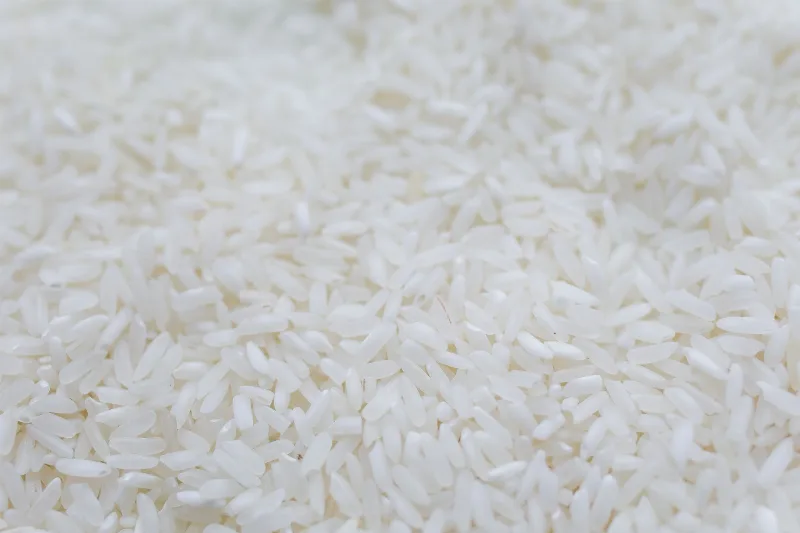
Trakya Baldo Rice
Baldo rice is a large-grain variety grown on the flood plains of Thrace in northwestern Türkiye, where river-fed paddies around Edirne produce grain prized for pilaf. Its long, glassy kernels and the region's water-rich alluvial soils are closely linked.
Explore →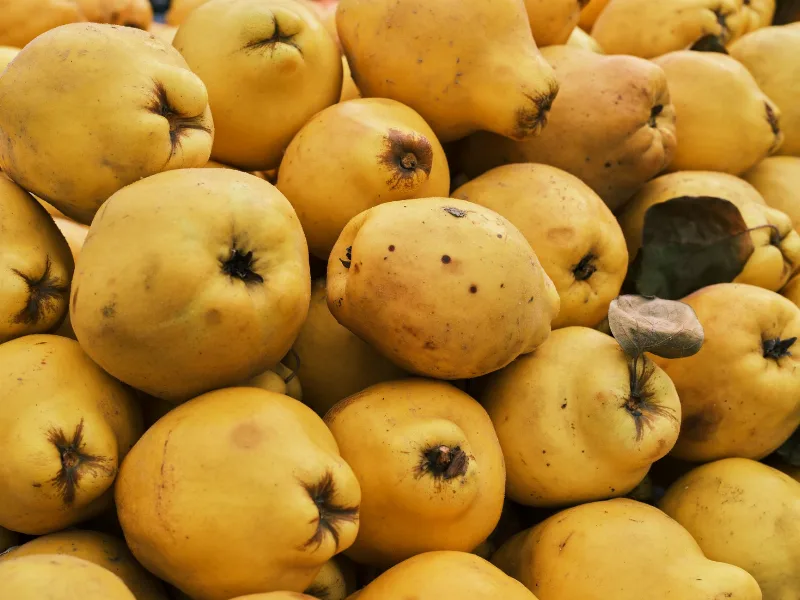
Bursa Quinces
Bursa quinces are the fruit of the quince tree grown around the city of Bursa in northwestern Türkiye, where the province's temperate Marmara climate and fertile soils give the fruit its dense flesh, tart flavour and strong fragrance. The orchards of Bursa are among the places most closely identified with quince growing in the country.
Explore →Related content
Rize
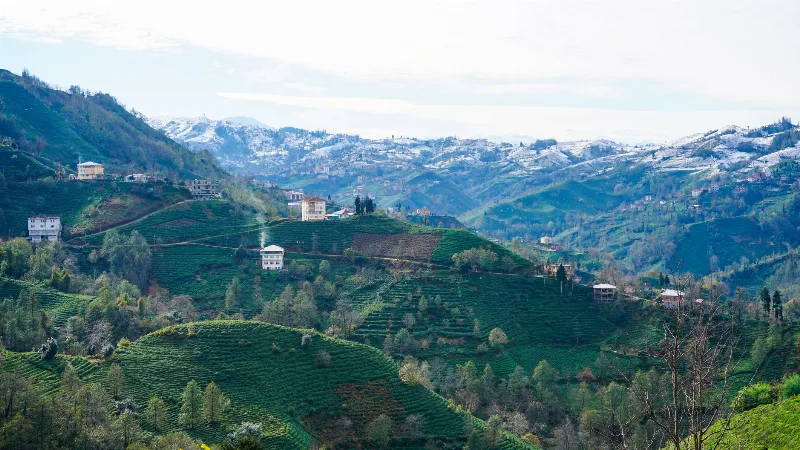
Rize is the capital of Rize Province on Türkiye's northeastern Black Sea coast, a city shaped by tea plantations, steep forested slopes and the high plateaus of the Kaçkar Mountains further inland.
Kaçkar Mountains
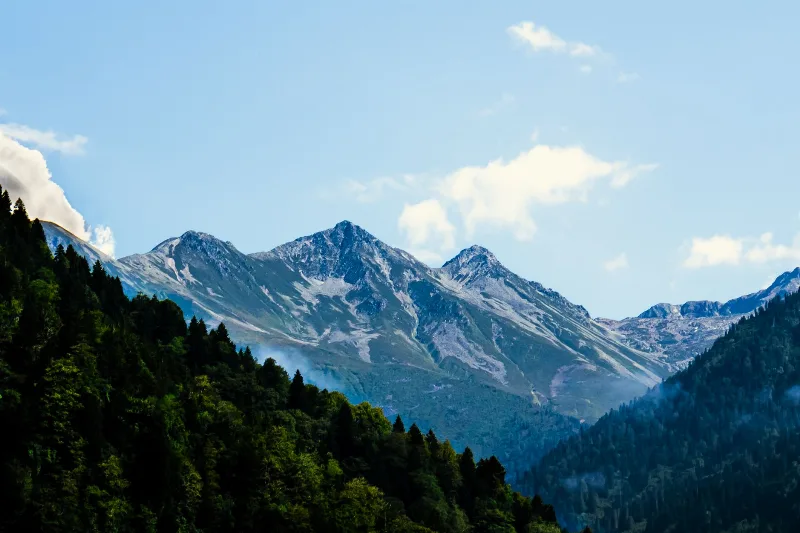
The Kaçkar Mountains form the highest section of Turkey's Black Sea ranges, a glacially sculpted landscape of sharp summits, cirque lakes and high summer pastures.
Gito
Gito Yaylası is a seasonal highland settlement in the Çamlıhemşin district of Rize, set in the Kaçkar Mountains above the Black Sea valleys and known for its wooden yayla houses, open meadows and summer pasture life.
Pokut Plateau Fog and Wooden Houses in Rize
Pokut Plateau is a high summer settlement in the Kaçkar Mountains of Rize, known for drifting fog, traditional timber houses and long-established highland grazing traditions.
Nature Reserves of the Black Sea Region
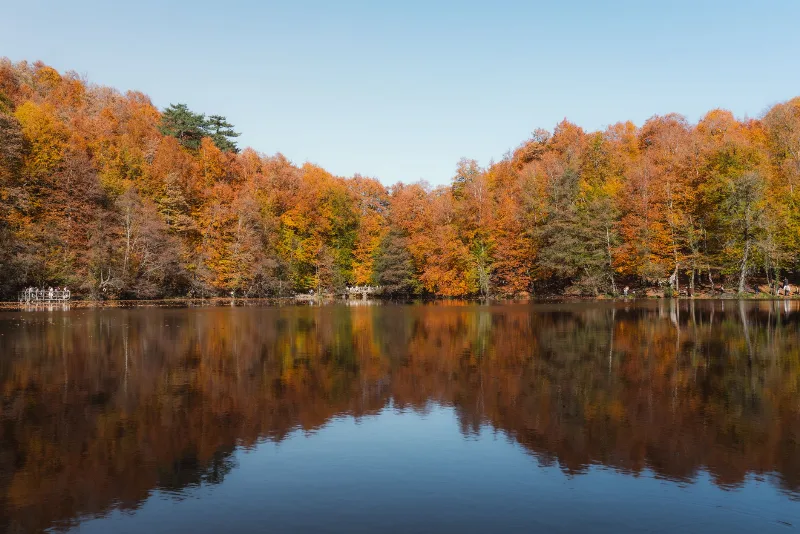
Türkiye's Black Sea coast hides a chain of protected landscapes, from glacial lakes in the Kaçkar Mountains to canyons and old-growth forests in Kastamonu and Bartın.
Black Sea Region
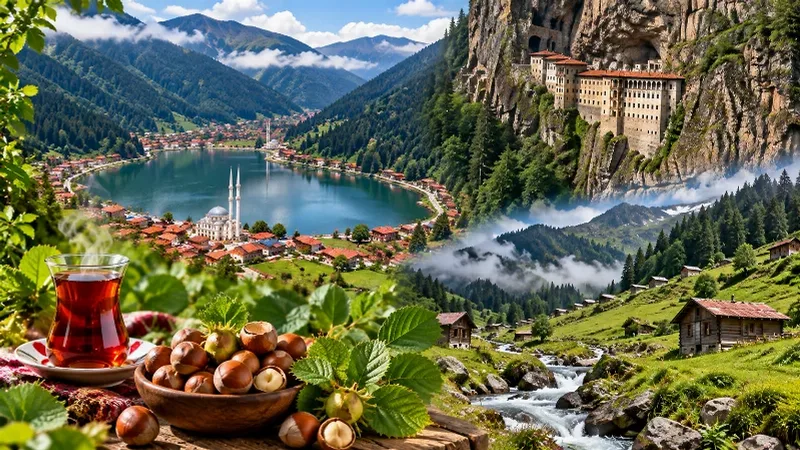
The Black Sea Region of Türkiye is known for its lush green mountains, misty highlands, dense forests and traditional villages. Stretching along the country's northern coast, the region combines spectacular natural scenery with historic towns, tea-growing landscapes and distinctive local traditions.