
Cuisine and Culture in the Village of Şirince
STORIES FROM TÜRKİYE
Located in the hills of western Türkiye, the quaint village of Şirince is renowned for its distinctive cuisine and cultural heritage. This charming locale invites visitors to experience its serene landscapes, age-old traditions, and a delightful array of local dishes.
The Culinary Delights of Şirince
Şirince offers a culinary journey with its traditional Turkish dishes that reflect the region's rich agricultural bounty. The village is famous for its homemade olive oil, which is a staple in many local recipes. Visitors can savor a variety of appetizers and main courses that highlight the flavors of fresh produce, herbs, and spices typical of the area.
A Taste of Local Wine
Beyond its food, Şirince is equally celebrated for its wine-making tradition. The village produces a range of fruit wines that are a must-try for anyone visiting. These wines, crafted from local fruits such as peaches and blackberries, offer a unique taste that complements the village's culinary offerings.
Cultural Traditions and Architecture
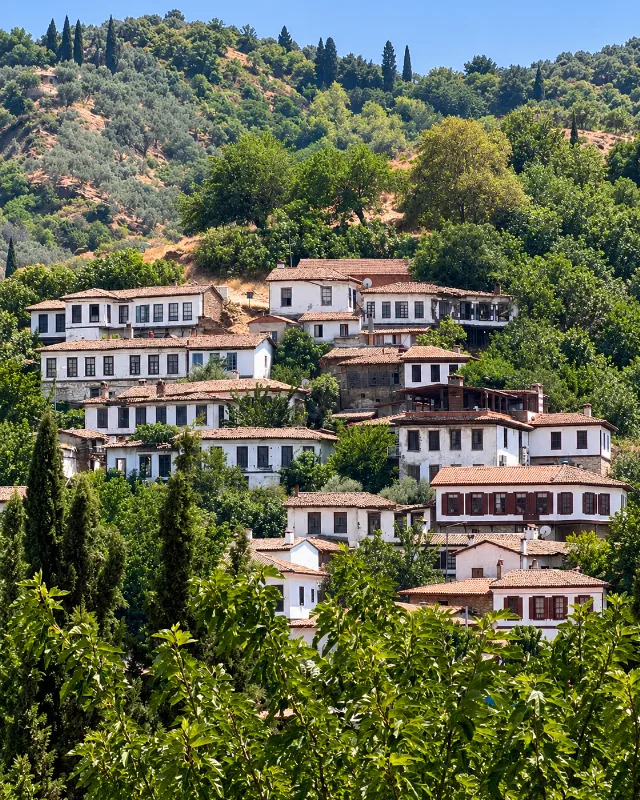
Walking through Şirince, one can admire the well-preserved architecture that tells stories of its Greek past. The charming stone houses and narrow streets create a picturesque setting that has remained largely unchanged over the decades. Cultural events and traditional crafts further enrich the experience, offering a glimpse into the village's vibrant cultural tapestry.
Natural Beauty and Surroundings
Surrounded by lush greenery and rolling hills, Şirince is a haven for nature lovers. The scenic landscapes provide an ideal backdrop for leisurely walks and exploration. The peaceful environment and stunning vistas make it a perfect escape from the hustle and bustle of modern life.
Historic places
Explore history →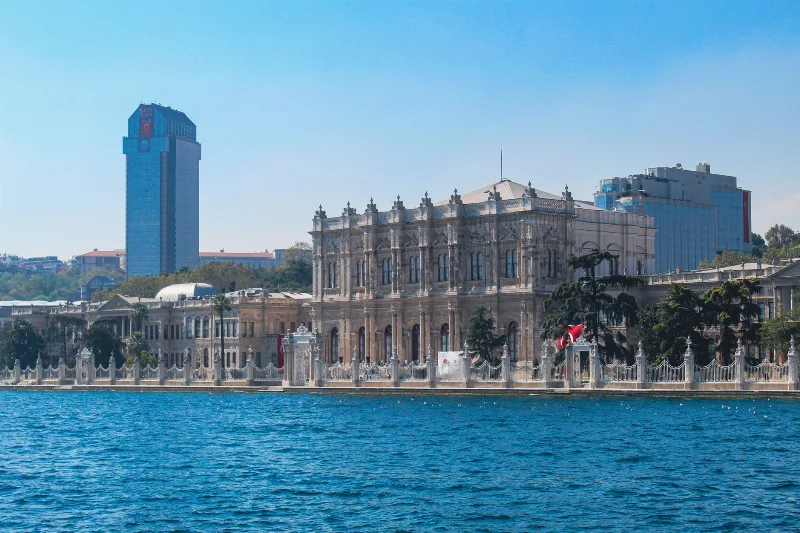
Dolmabahçe Palace
Dolmabahçe Palace is the 19th-century Ottoman palace on the European shore of the Bosphorus in Istanbul, built under Sultan Abdülmecid I as the empire's main administrative centre. It was the sultans' residence in the empire's final decades and the place where Mustafa Kemal Atatürk died in 1938.
Explore →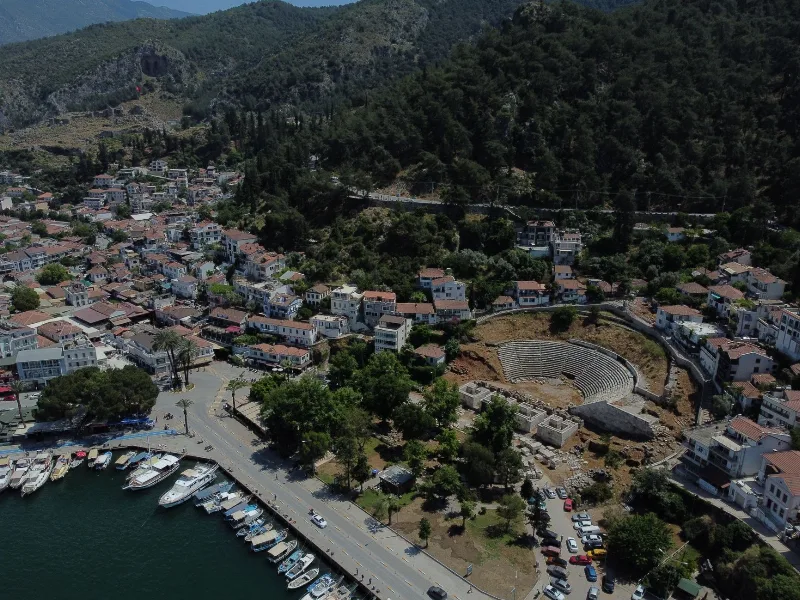
Phaselis
Phaselis is an ancient Greek and Roman harbour city on a low peninsula near Kemer in Antalya Province, known for its three harbours, a long paved main street and a triple-arched gate built in honour of the emperor Hadrian.
Explore →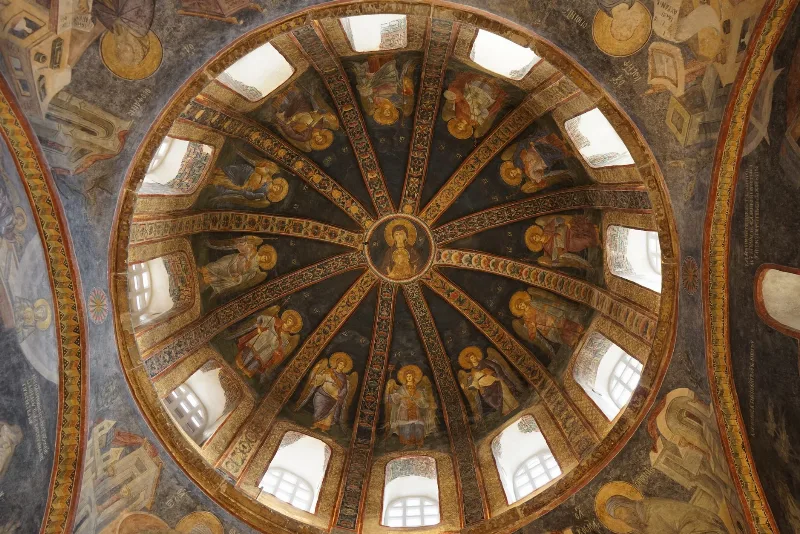
Chora Church
The Chora Church in Istanbul is a Byzantine monument whose 14th-century mosaics and frescoes are among the finest surviving examples of late Byzantine art, preserved inside a building that later served as a mosque.
Explore →
Kaymaklı Underground City
Kaymaklı Underground City is a multi-level subterranean complex in Nevşehir Province, Cappadocia, used as a refuge by early Christian communities. It features tunnels, stone doors, storage rooms, and churches carved into volcanic tuff.
Explore →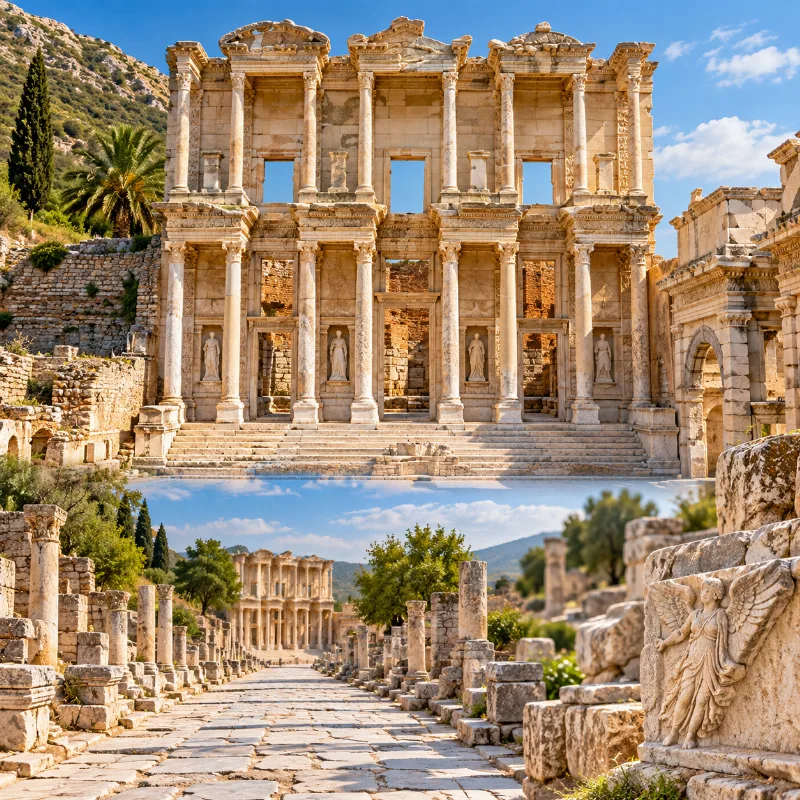
Ephesus
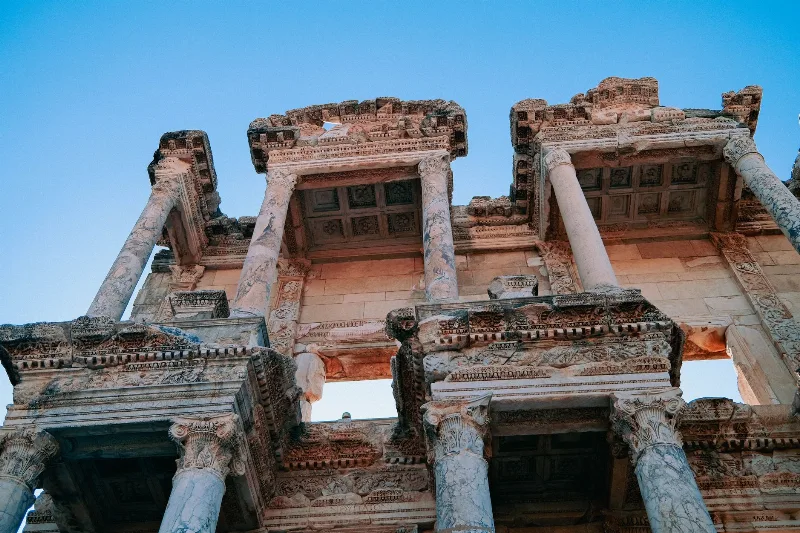
One of the best-preserved ancient cities in the Aegean, known for its monumental streets, library, theatre and Roman-era remains.
Explore →Related content
Şirince
Şirince is a hillside village in İzmir's Selçuk district, known for fruit wine, surviving Greek Orthodox buildings and whitewashed houses with terracotta roofs that climb a slope above the plain.
Ephesus: Gateway to Antiquity
Ephesus is a vast archaeological site on the Aegean coast of Türkiye, where marble streets, terraced houses and a hillside theatre trace the life of a major Roman city. Nearby Selçuk adds museums, a hilltop basilica and a fertile farming plain.
Villages
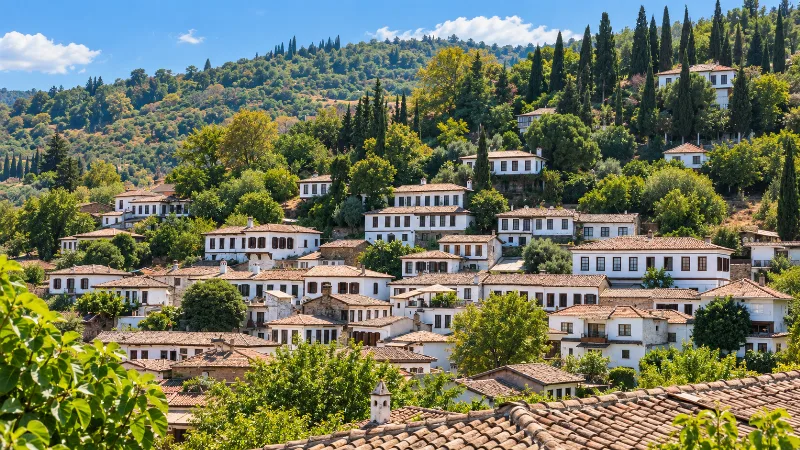
Small settlements, traditional architecture and rural landscapes across Türkiye.
Exploring Turkey Beyond the Best-Known Destinations
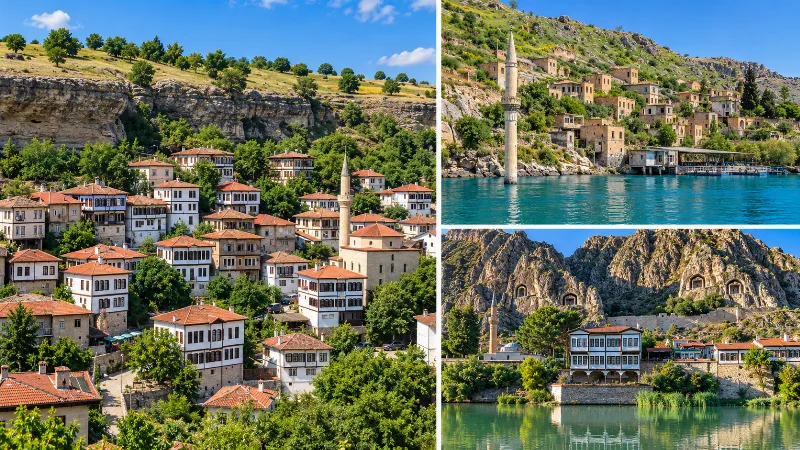
A look beyond Turkey’s most famous destinations to smaller towns, villages, coastlines, highlands and historic landscapes across the country.
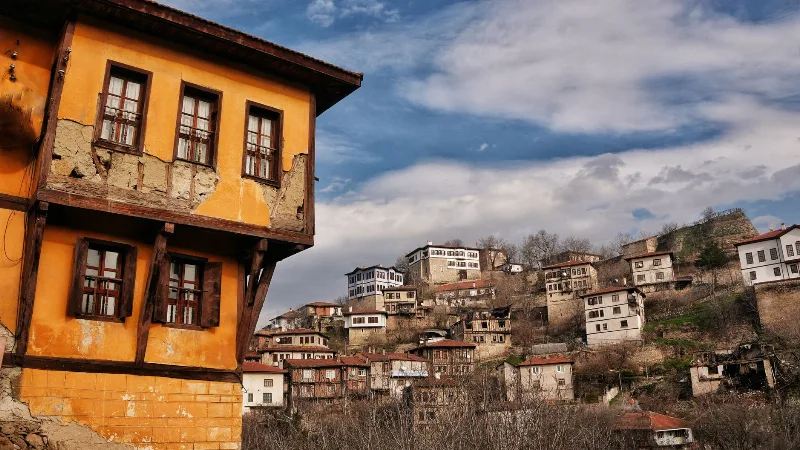
Traditional Villages of Türkiye
Türkiye's traditional villages blend stone houses, timber balconies and seasonal customs into landscapes that reveal the country's rural heritage.
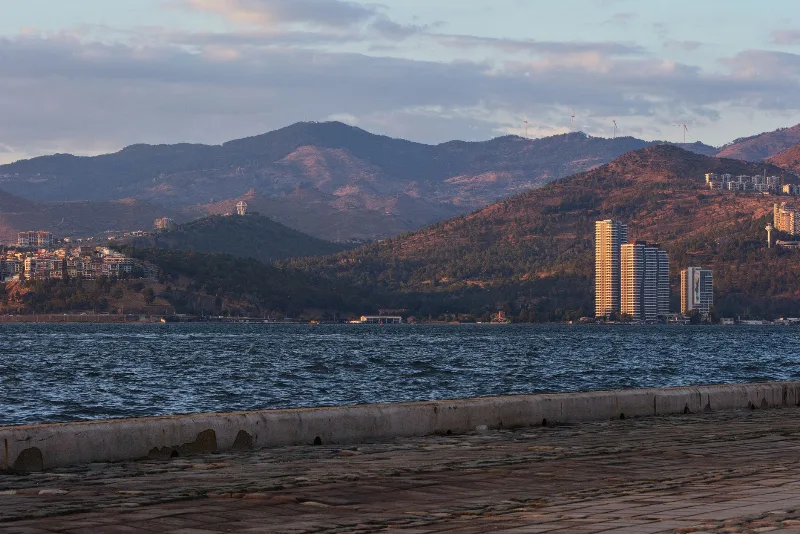
Izmir's Coastal Charm
İzmir is a western Turkish city built around a gulf of the Aegean Sea, where a long waterfront, nearby coves, ancient sites and Aegean cooking shape its coastal character.