
The Ancient Fortresses of the Van Lake Region
STORIES FROM TÜRKİYE
Lake Van lies in eastern Türkiye at roughly 1,640 metres above sea level, the largest lake in the country and one of the largest soda lakes in the world. Volcanic peaks and wide plateaus surround its blue water, and its shores have been settled for thousands of years. The fortresses that stand along these shores offer a vivid glimpse into the region's long history and its strategic importance between Anatolia, Mesopotamia and the Caucasus.
Urartian Foundations
Many of the oldest strongholds around the lake belong to the kingdom of Urartu, which flourished from the ninth to the sixth century BCE. The Urartians built their capital at Tuşpa, close to the site of the modern city of Van, and controlled a wide highland territory.
Their engineers were skilled in stone masonry, canal building and the storage of grain and wine. Fortresses were placed on rocky ridges and hilltops where they could watch over roads, farmland and the lake itself. Cuneiform inscriptions carved into rock still record royal building projects, campaigns and offerings to the gods.
Van Fortress at Tuşpa
West of the modern city, a long limestone ridge rises sharply above the plain, and its slopes carry the walls of Van Fortress. The site served as the heart of the Urartian state, and sections of its masonry, terraces and gateways remain visible along the crest.
Rock-cut chambers believed to be royal tombs are carved into the cliff face, and a number of inscriptions survive, including a famous trilingual text attributed to the Achaemenid king Xerxes. Later empires, from the Medes and Persians to medieval rulers, recognised the same advantage of the position and continued to use the ridge.
Ayanis and Kef Kalesi
On the northeastern shore near Adilcevaz, Ayanis Fortress was built in the seventh century BCE during the reign of the Urartian king Rusa II. Excavations have revealed a temple dedicated to the god Haldi, along with storerooms, courtyards and thick defensive walls that still stand to a considerable height.
Not far away, Kef Kalesi occupies a hill above the plain and is also linked to Rusa II. Together these two sites show how closely the Urartians tied their defences to the lake, using the water as both a resource and a natural border.
Çavuştepe and the Gürpınar Plain
South of Van, the fortress of Çavuştepe rises above the Gürpınar plain and was constructed in the eighth century BCE under King Sarduri II. The site contains two distinct citadels, a temple, a palace complex and long rows of storage rooms.
The surrounding landscape still carries traces of Urartian land management, including irrigation channels that once carried water to fields. From the walls, the view stretches across flat farmland towards distant mountains, making the defensive logic of the location easy to picture.
Hoşap Castle
Further east in the Gürpınar district stands Hoşap Castle, a much later stronghold built in the seventeenth century by the local Mahmudi ruler Sarı Süleyman Bey. It sits on a dramatic rock outcrop and is approached across a deep ravine.
Its high walls, round towers, carved doorway and ornate stone details reflect Ottoman-era military architecture adapted to a rugged setting. The contrast between this castle and the earlier Urartian sites shows how the same strategic landscape was reused across many centuries.
The Lake as a Backdrop
The lake shapes both the climate and the character of the region. Its mass of water moderates temperatures along the shore, while the surrounding mountains, including the volcanic cones of Nemrut and Süphan, hold snow well into spring. Akdamar Island, with its tenth-century church, can be seen from several points on the southern shore.
Spring and autumn bring mild, clear days that suit walking among the ruins, while summer heat and winter snow change the mood of the highlands considerably. Seen from any of these fortresses, the water, the stone walls and the wide plateaus come together as a landscape shaped by defence, farming and faith over thousands of years.
Historic places
Explore history →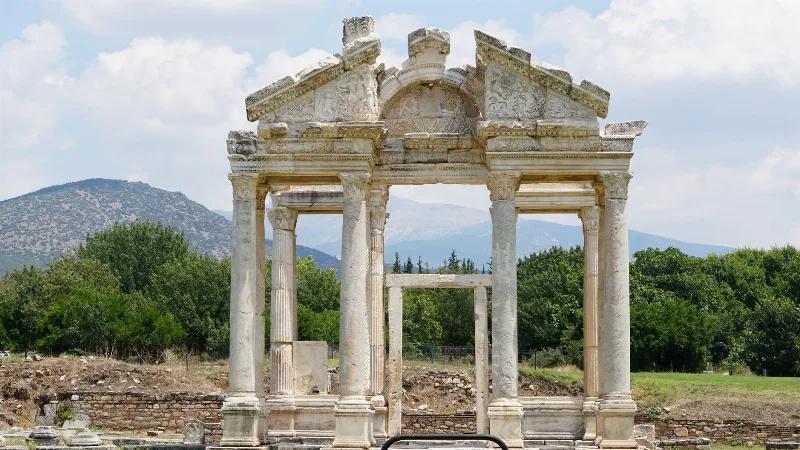
Aphrodisias
Aphrodisias is an ancient city in Aydın Province, Türkiye, built around a sanctuary of Aphrodite and celebrated for its marble sculpture and remarkably intact public buildings. It has been a UNESCO World Heritage Site since 2017.
Explore →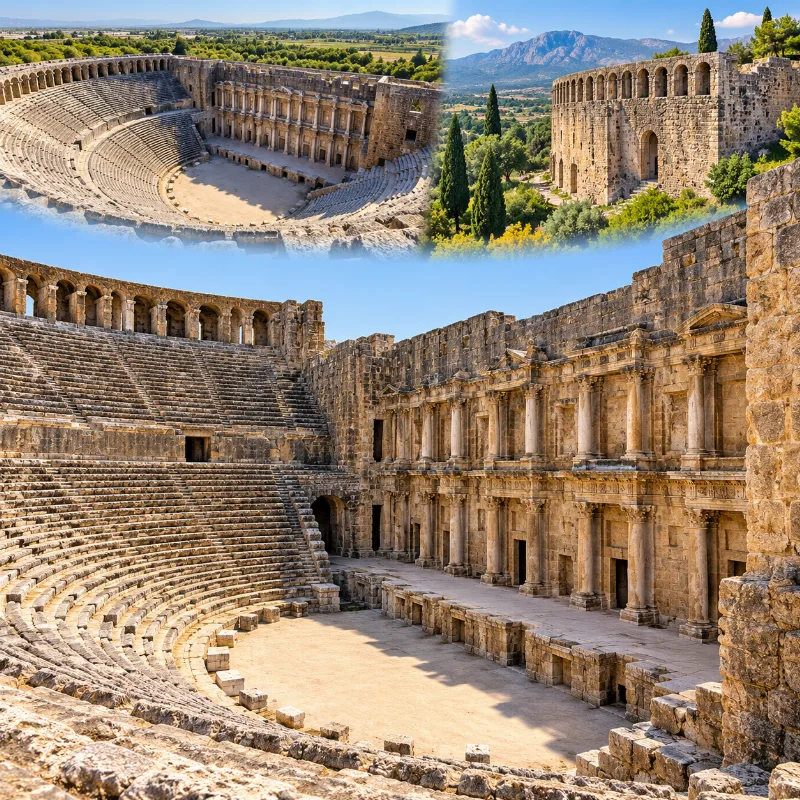
Aspendos
An ancient city near Antalya best known for its large Roman theatre and other surviving structures.
Explore →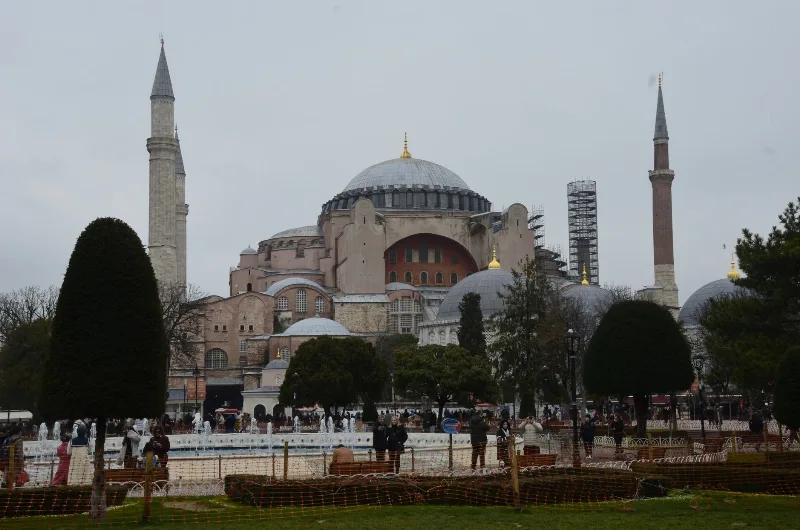
Hagia Sophia
Hagia Sophia in Istanbul is a monumental religious building begun under the Byzantine emperor Justinian I in 537 CE, later converted into an Ottoman mosque and today serving again as a mosque and UNESCO-listed monument.
Explore →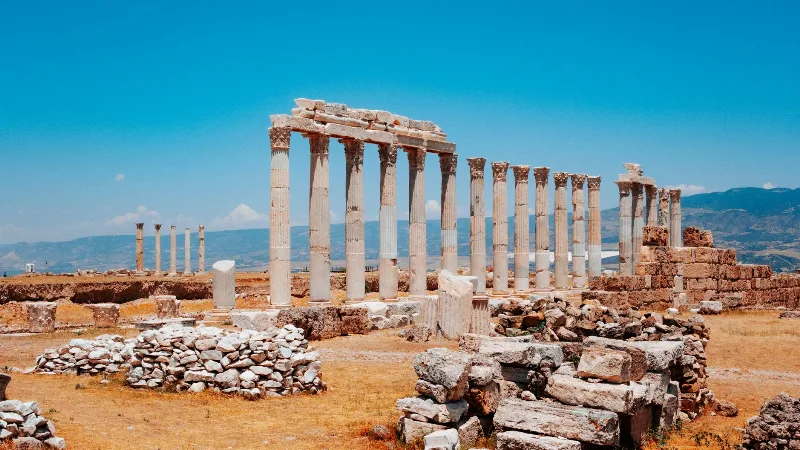
Laodicea
Laodicea is a Hellenistic and Roman city near Denizli in Türkiye, known for its theatre, stadium and early Christian remains. It was a wealthy commercial centre and one of the Seven Churches of Asia.
Explore →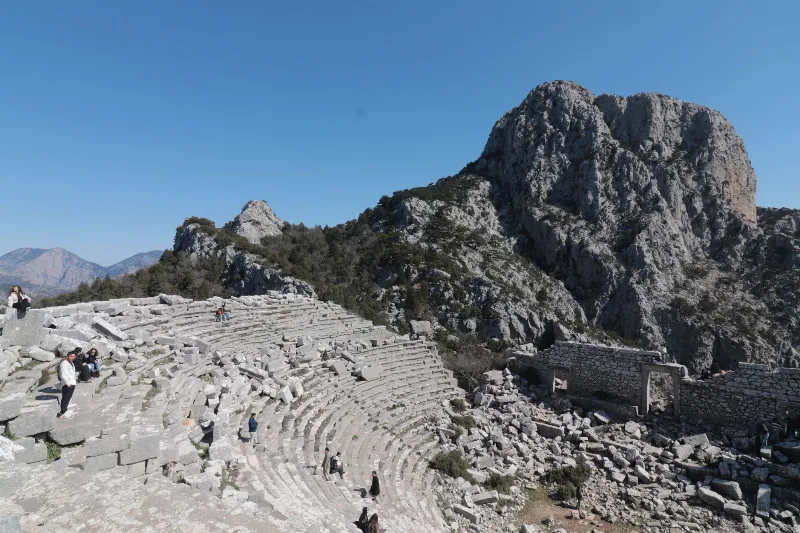
Termessos: The Pisidian Mountain City of Antalya
Termessos is an ancient Pisidian city set high in the Taurus Mountains of Antalya Province, Türkiye. Its abandoned ruins, including a theatre, gymnasium, cisterns and a sprawling necropolis, form one of the most complete archaeological landscapes of the Pisidian region.
Explore →Related content
Lake Van
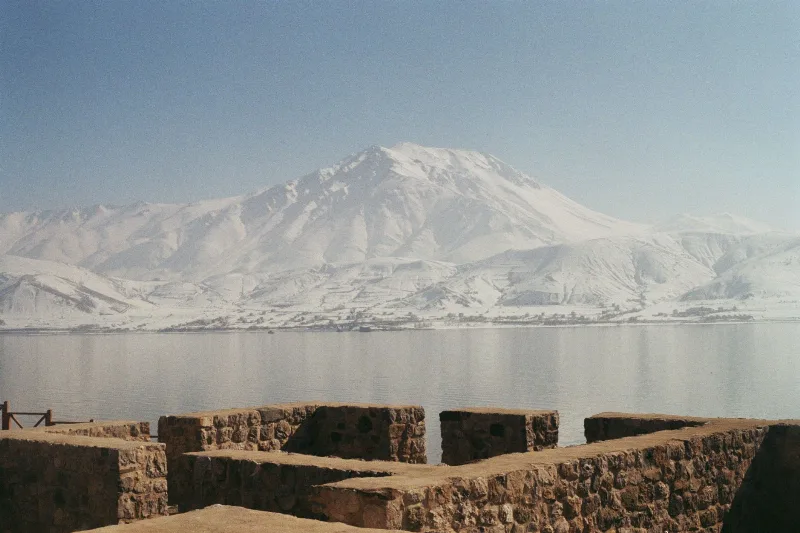
Lake Van is Turkey's largest lake, a vast alkaline soda lake with no outlet, set in the volcanic highlands of Eastern Anatolia at around 1,640 metres. Its unusual chemistry, depth and islands give it a character unlike any other lake in the country.
Lake Van
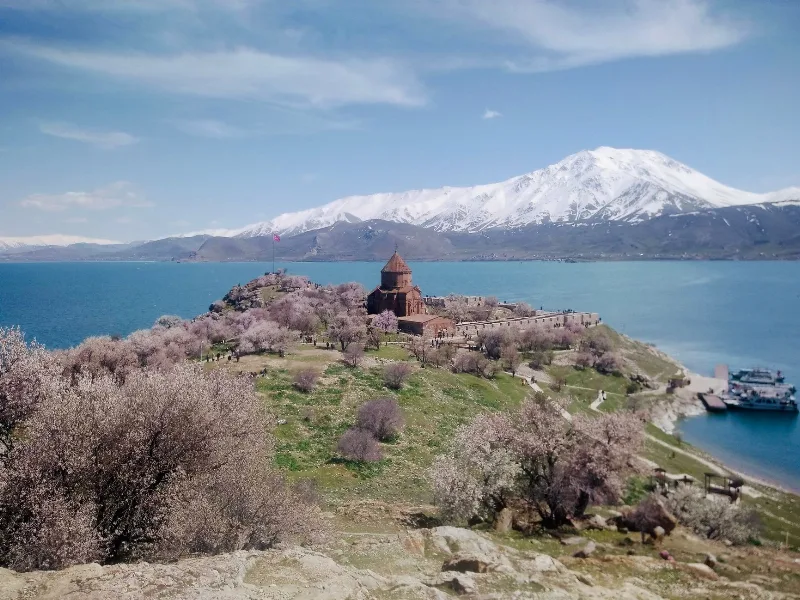
Lake Van is Turkey's largest lake and the world's largest soda lake, located in Eastern Anatolia. It is known for Akdamar Island and its 10th-century Armenian Church of the Holy Cross.
Nemrut
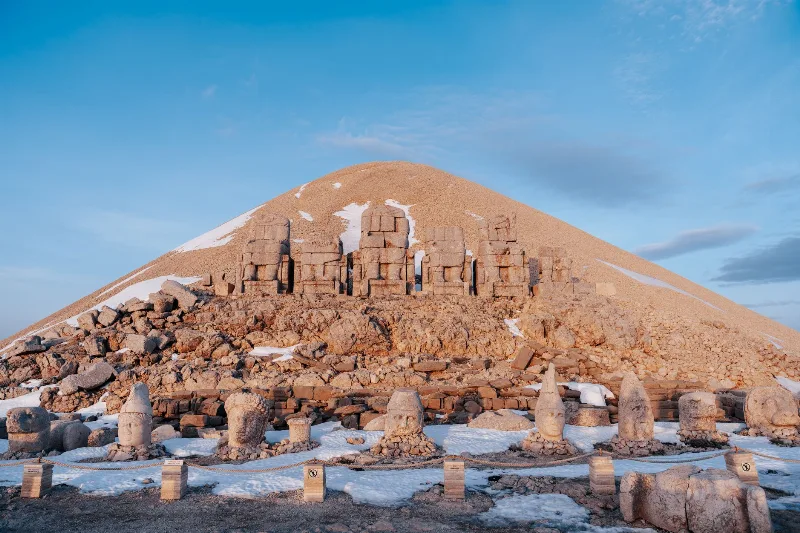
Mount Nemrut in Adıyaman Province is a 2,134-metre summit crowned by the colossal statues and tomb-sanctuary built by King Antiochus I of Commagene, and it has been a UNESCO World Heritage Site since 1987.
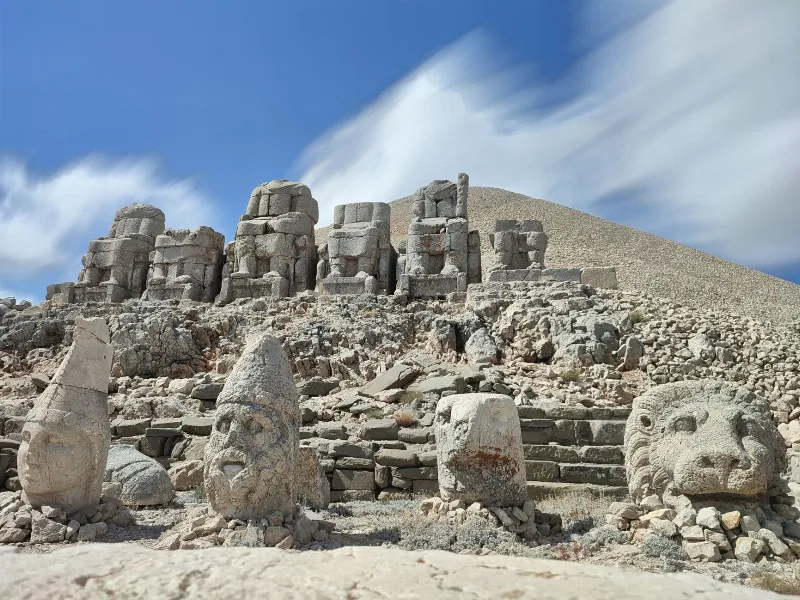
Mount Nemrut
Mount Nemrut is a dormant volcano in Bitlis Province, eastern Türkiye, featuring a large caldera with crater lakes. It lies west of Lake Van near Tatvan.
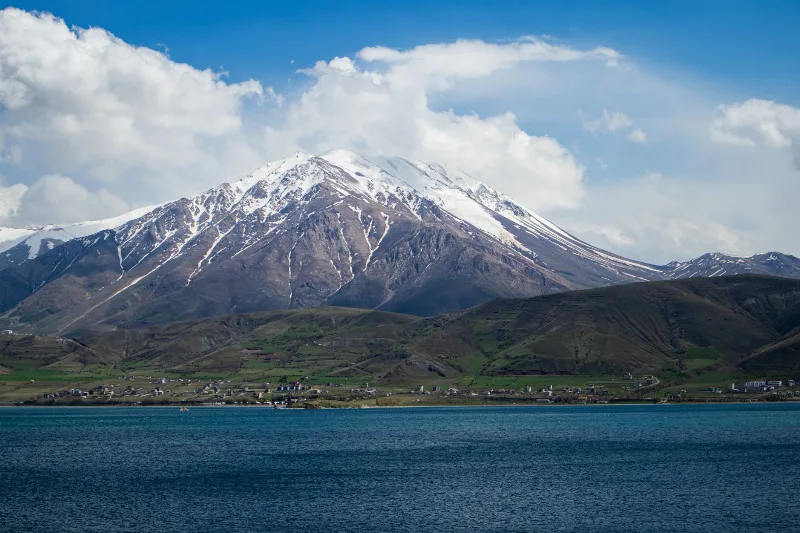
Mount Süphan
Mount Süphan (Süphan Dağı) is a dormant stratovolcano in Bitlis Province, eastern Türkiye, and the second-highest peak in the country at 4,058 metres, rising above the northern shore of Lake Van.
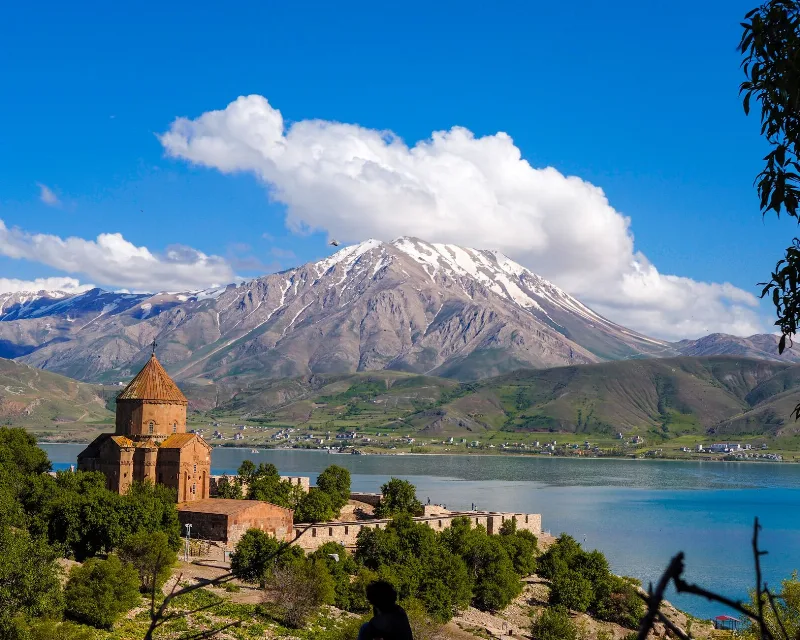
Lakes and Natural Beauty in Türkiye
A journey through the lakes of Türkiye, from the wide soda waters of Lake Van to forest pools in Bolu, salt flats on the Central Anatolian plateau and reed beds full of birds.