
The Tradition of the Turkish Bath
STORIES FROM TÜRKİYE
A visit to a hamam begins long before the water touches the skin. It starts in the quiet, warm air of a stone hall, where voices soften and time seems to slow. In Türkiye, the Turkish bath is not simply a place to wash; it is a tradition that has shaped architecture, daily routine and social life for hundreds of years.
From Roman Roots to Ottoman Refinement
Bathing culture in Anatolia reaches back to antiquity, when Roman and Byzantine cities built large public baths around hot rooms, cold rooms and exercise courts. As Seljuk and later Ottoman societies took hold, this inheritance was reshaped into something distinctly local. The result was the hamam, smaller in scale but highly refined in design.
Ottoman architects perfected the form, and bathhouses became part of almost every neighbourhood, from the imperial capital to modest Anatolian towns. Wealthy patrons funded them as charitable endowments, which meant they served travellers, students and residents alike. Their domes and marble halls still stand in cities such as Istanbul, Bursa, Edirne and Gaziantep, some of them several centuries old.
The Anatomy of a Hamam
The layout follows a sequence of temperatures. Visitors enter a camekân, the changing room, often topped by a wooden gallery and a wide dome. Here clothes are folded, towels are wrapped, and the first cups of tea or sherbet may appear on a raised platform.
A narrow passage leads to the soğukluk, a cool intermediate room, and then to the hararet, the hot marble chamber. At its centre sits the göbek taşı, a flat heated platform where bathers rest and where the body gradually warms through. Around the walls, individual basins called kurna provide running hot and cold water in small marble niches.
Light is part of the experience. Rather than windows, the dome is pierced with small star-shaped openings, sometimes fitted with glass, that scatter beams across the steam. The stone itself — usually marble — holds heat, so the room stays warm without a visible fire nearby. The heating system runs beneath the floor, a technique inherited from earlier bath traditions and adapted with great skill.
The Ritual of Bathing
A traditional hamam visit unfolds in stages. After resting on the warm stone, a bather pours water from the basin and allows the skin to soften. This is when the kese, a coarse woven cloth, is used to scrub away dead skin, leaving a fresh and tingling surface.
Soap follows, often a rich olive-oil or herbal variety worked into a dense lather. In larger hamams, attendants known as tellak for men and natır for women guide this process, kneading shoulders and stretching limbs in a firm, rhythmic massage. Cold water is poured at the end, and the bather returns to the cool room to rest, wrapped in a pestemal, the thin cotton towel used throughout Türkiye.
Warmth, water and quiet conversation are considered as important as cleanliness. Tea, dried fruit and sweets often appear once the bathing is finished, turning the visit into a pause rather than a chore.
Social Life and Special Occasions
Hamams have long been gathering places. For women especially, they served for centuries as one of the few spaces outside the home where neighbours could meet, talk and celebrate together. Weddings, births and religious holidays all had their own bathing customs, and in some families a visit before a marriage is still part of the preparations.
In many towns, the hamam has also functioned as a meeting point for travellers and merchants, offering rest and warmth along trade routes. The building was often placed near a mosque, a market or a fountain, forming a small hub of community life.
Regional Character and Modern Use
Styles vary across the country. In Bursa, historic baths sit close to the old silk markets and thermal springs that made the city famous for its waters. In Safranbolu, the traditional houses and small neighbourhood hamams reflect a quieter Ottoman townscape, while Gaziantep and Şanlıurfa show the warm southern variation, where the bathhouse doubles as a place for long conversation on cool evenings.
Istanbul remains especially rich in examples, with domed structures designed by Ottoman architects still in use after four centuries. Some are large and monumental, others small and local, but the sequence of rooms and the feel of warm marble remain remarkably consistent.
Today the tradition continues in a modern form. Alongside historic bathhouses, newer hamams appear in many cities, and the ritual has travelled abroad with Turkish communities. Yet the essentials have not changed: heat, water, marble and time. For anyone curious about daily culture in Türkiye, a hamam offers a rare chance to experience a centuries-old habit that still feels entirely natural.
Historic places
Explore history →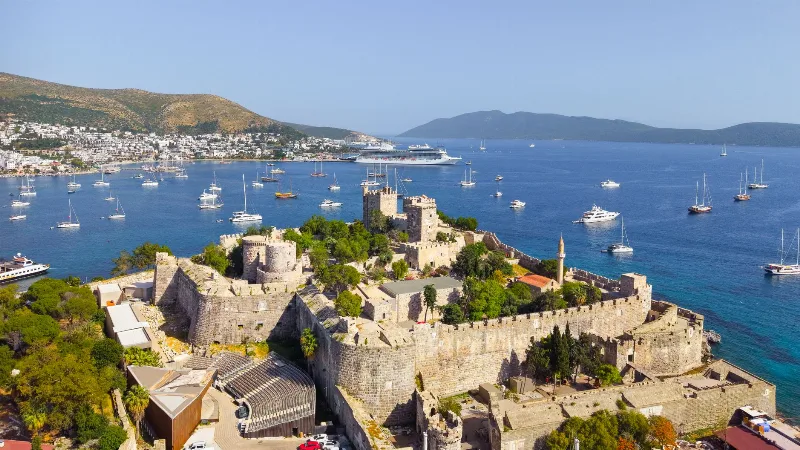
Bodrum Castle
Raised by the Knights Hospitaller above ancient Halicarnassus, Bodrum Castle is both a medieval fortress and the home of one of the world's leading museums of underwater archaeology.
Explore →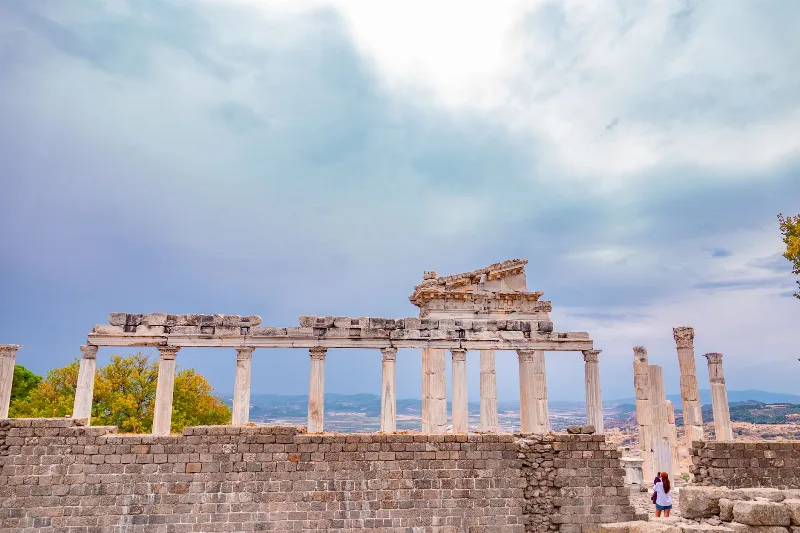
Pergamon
Pergamon was the Hellenistic capital of the Attalid dynasty in western Türkiye, built around a steep acropolis above the modern town of Bergama. Its Great Altar, theatre and Sanctuary of Asclepius make it one of the most important archaeological sites in Anatolia and a UNESCO World Heritage Site.
Explore →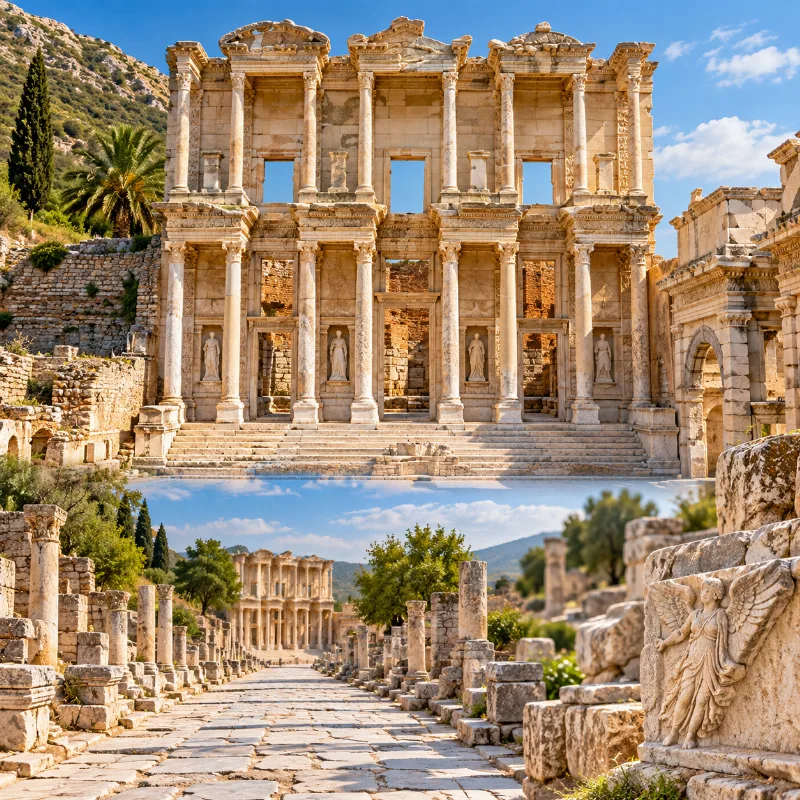
Ephesus
One of the best-preserved ancient cities in the Aegean, known for its monumental streets, library, theatre and Roman-era remains.
Explore →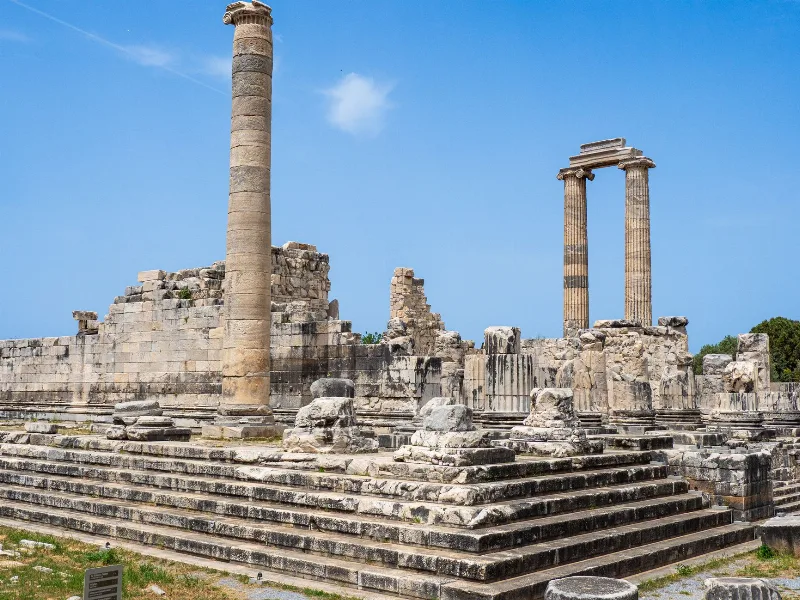
Didyma
Didyma is an ancient Greek sanctuary and oracle of Apollo in Aydın Province, Türkiye, whose vast Temple of Apollo is one of the largest ever built in the Greek world. Its surviving platform, columns, reliefs and Sacred Way make it a major archaeological site on the coast near Miletus.
Explore →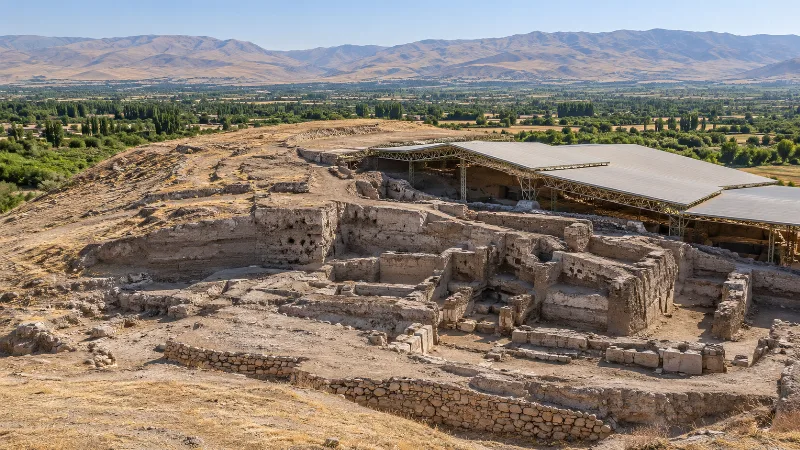
Arslantepe
Arslantepe is a deep archaeological mound on the Malatya plain in eastern Türkiye, where a Late Chalcolithic palace documents the rise of a centralised state and later Neo-Hittite rulers carved lions for its gates. It became a UNESCO World Heritage Site in 2021.
Explore →Related content
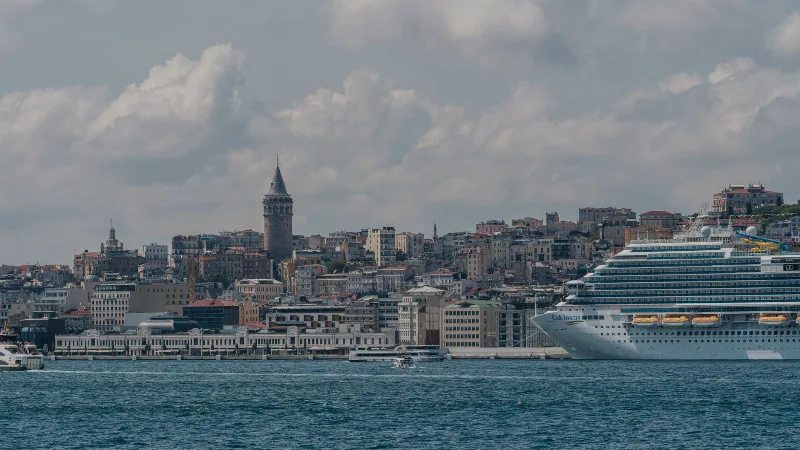
Istanbul
Istanbul is Türkiye's largest city and the country's only metropolis that spans two continents, divided by the Bosphorus strait into a European and an Asian half. Its long run as an imperial capital left a historic core of palaces, mosques and bazaars that still shapes the city's identity.
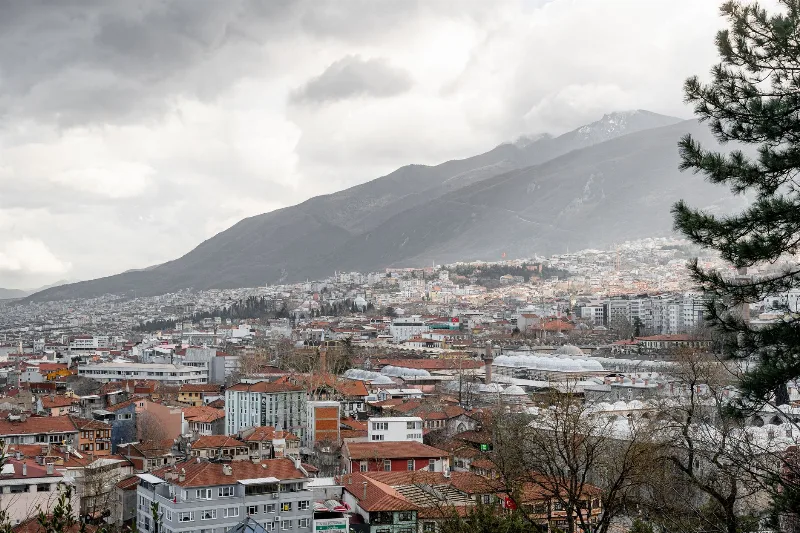
Bursa
Bursa is a major metropolitan city in northwestern Türkiye and the first great capital of the Ottoman Empire, known for its silk heritage, thermal springs and the mountain of Uludağ rising directly behind it.
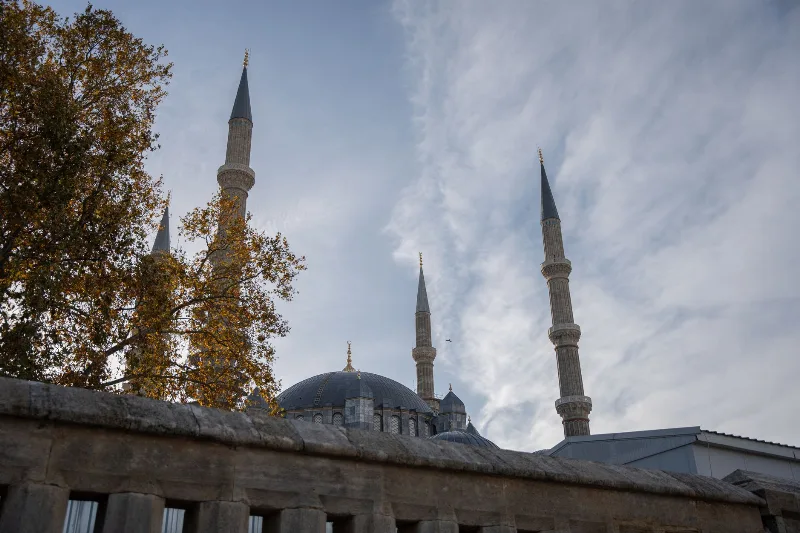
Edirne
Edirne is a northwestern Turkish city near the Greek and Bulgarian borders, renowned for its Ottoman heritage, particularly the Selimiye Mosque, and for hosting the annual Kırkpınar oil wrestling festival.
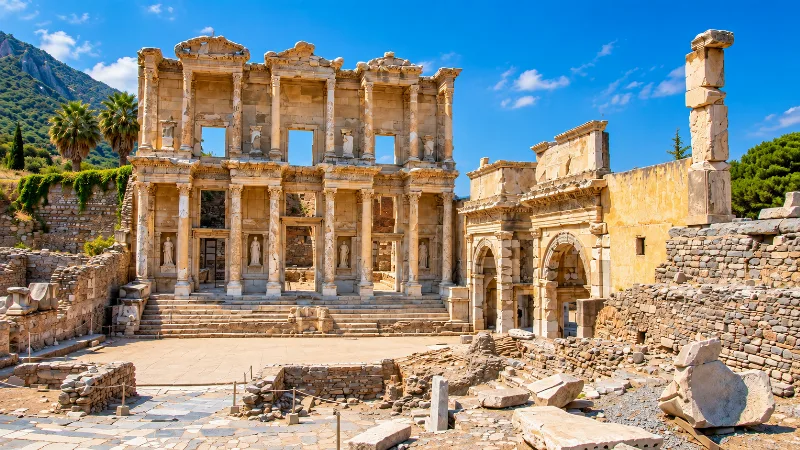
Historic Places
Ancient cities, monuments, castles and archaeological sites across Türkiye.
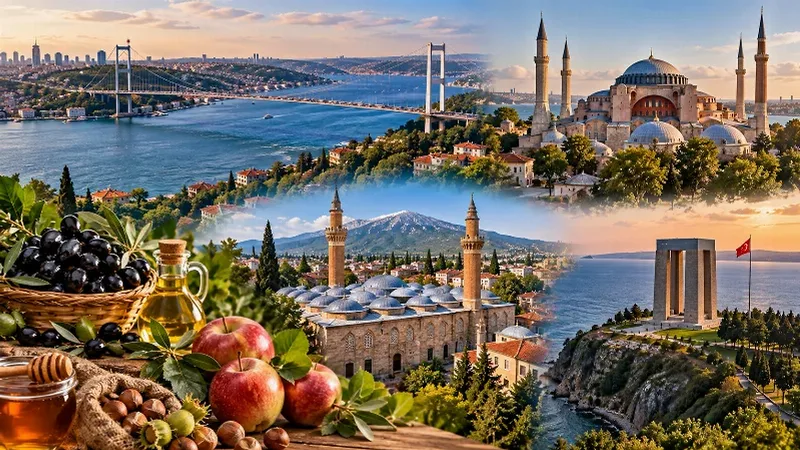
Marmara Region
The Marmara Region connects Europe and Asia, bringing together historic cities, beautiful coastlines, green landscapes and a rich cultural heritage. From Istanbul's iconic skyline to the peaceful shores of the Marmara Sea, the region offers a remarkable variety of places to discover.
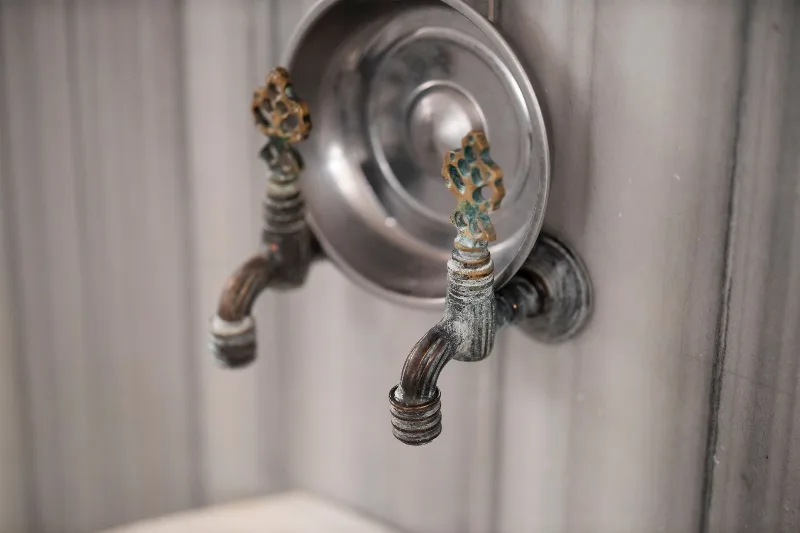
Traditional Turkish Baths
A traditional Turkish bath, or hamam, blends marble architecture, warm water and centuries of social ritual. Discover how hammam culture shapes daily life across Türkiye.