
Tulip Bloom in Emirgan Park, Istanbul
Each spring, millions of tulips are planted across the terraced hillsides of Emirgan Park on the Bosphorus, turning Istanbul's largest public garden into a concentrated display of colour that usually peaks between late March and mid-April.
Every spring, the terraced slopes of Emirgan Park on the European side of the Bosphorus in Istanbul are covered with millions of flowering tulips, generally from late March into April, with the densest colour usually appearing in early to mid-April. This mass flowering is the centrepiece of Istanbul's annual tulip season, and the park holds the largest single concentration of tulip beds in the city. The timing is not fixed: the display follows the weather of the preceding winter and early spring, so the peak can fall a couple of weeks earlier or later from one year to the next.
Where the Tulips Are Planted
Emirgan Park sits in the Sarıyer district, on a wooded hillside that rises above the Bosphorus shoreline. The tulips are not left to naturalise across the whole park. Instead, gardeners plant bulbs each autumn in defined beds, ribbons and geometric patterns along the main walking paths, around the ponds and on the open lawns near the three historic pavilions — the Yellow, Pink and White Pavilions — that stand within the grounds.
Because the planting is deliberate and repeated every year, the flower display changes shape and colour scheme annually, even though the setting remains the same. Visitors who return in different years see different arrangements rather than one permanent layout.
What Causes the Spring Flowering
Tulips are bulbs, and their cycle depends on temperature. The bulbs are placed in the ground in autumn and need a period of cold soil to develop properly. As the ground warms in late winter and early spring, the shoots emerge, stems lengthen and the flowers open. A mild winter followed by a warm, sunny March tends to push the bloom forward; a cold, wet start to spring generally holds it back. This is why the season in Emirgan is described as a window rather than a date.
When the Bloom Normally Happens
The visible tulip season in the park typically begins in the second half of March and runs through April, occasionally reaching into the first days of May for late varieties. The strongest colour is usually seen in the first half of April. Because individual tulip flowers stay open for only about one to two weeks, and because different varieties and different parts of the hillside reach their peak at slightly different moments, the overall display generally holds together for roughly four to six weeks.
Annual weather conditions shift this window. Cold snaps can delay opening; sudden heat can shorten it. Anyone planning around the tulips should treat late March to mid-April as the usual target and accept that the exact peak varies year by year.
What the Park Looks Like During the Season
During the flowering period, the lower slopes and the broad lawns carry dense blocks of red, yellow, pink, white and purple tulips, often arranged in curving bands that follow the shape of the paths. Tulips are usually mixed with pansies, hyacinths and other spring bedding plants, which fill the gaps before the tulips reach full height. The wooded upper slopes remain green and largely unchanged, so the contrast between the evergreen and deciduous trees and the flat, saturated colour of the beds below is part of what defines the scene.
Paths wind between ponds and small wooden bridges, and from the upper terraces there are open views across the Bosphorus. Mornings are generally quieter and the light is softer; weekends in April draw large numbers of local visitors, and the main routes through the beds become busy.
Weather and Practical Conditions
April in Istanbul is mild and changeable. Daytime temperatures commonly sit in the low to mid teens, nights are cooler, and rain is frequent, sometimes heavy. Wind off the water can make exposed terraces feel colder than the temperature suggests. Paths are paved and generally easy to walk, though lawns and slopes can be muddy after rain. Sturdy shoes and a light waterproof layer are more useful than warm-weather clothing at this time of year.
The Tulip's Place in the Istanbul Spring
The tulip is closely associated with the city. It was cultivated in Ottoman gardens and became a defining motif of the 18th-century period known as the Tulip Era, and it remains a symbol used across Istanbul today. The spring planting in Emirgan is the most visible expression of that connection, drawing visitors from elsewhere in Türkiye and from abroad during the few weeks when the beds are in full flower.
What Happens After the Tulips Fade
Once the tulip flowers finish, the bulbs are lifted or the beds are cleared and replanted with summer flowering species for the warmer months. By late April and into May, the Judas trees around the Bosphorus — including specimens in and near Emirgan — produce their pink-purple blossom, marking a second, shorter phase of the spring season as the tulip colour subsides. The park does not revert to a plain landscape; the seasonal change simply moves on to the next planting.
Nearby and Related Spring Timing
Emirgan's position on the Bosphorus means the tulip season can be combined with the wider spring flowering along the strait, where Judas trees and other early blossom appear on the same general timetable. Within the park itself, the ponds and the wooded upper paths remain worth walking in the same visit, since the tulip beds occupy only part of the grounds. The essential point for anyone timing a trip is that the tulips are a genuine spring phenomenon tied to soil temperature and bulb cycles, not a year-round feature — and the window, while predictable in general terms, moves with the weather each year.
EXPLORE BY THEME
All themes →
Related content
Istanbul
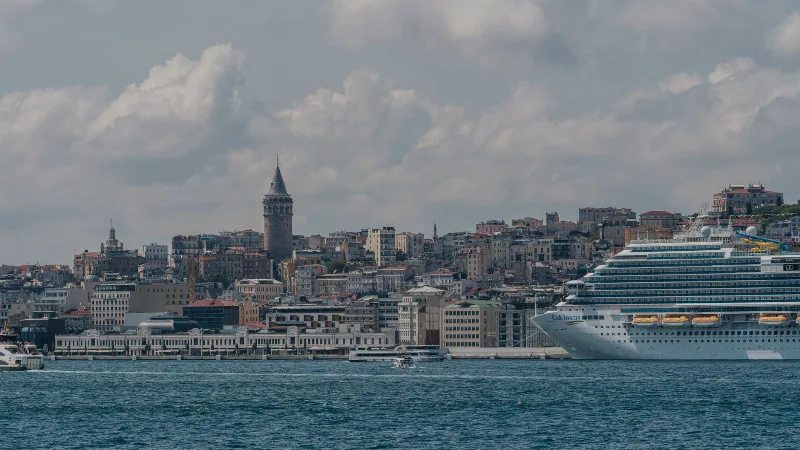
Istanbul is Türkiye's largest city and the country's only metropolis that spans two continents, divided by the Bosphorus strait into a European and an Asian half. Its long run as an imperial capital left a historic core of palaces, mosques and bazaars that still shapes the city's identity.
2-Day Istanbul Bosphorus Route
A two-day Bosphorus route that starts on Istanbul's European shore at Ortaköy and Bebek, includes a ferry cruise up the strait, then crosses to the Asian side for Kadıköy and Üsküdar.
The Spring Wildflowers of the Aegean Coast
Each spring, the Aegean coast of Türkiye turns green and then colourful, as anemones, poppies, orchids and wild tulips follow the warming weather from the shoreline up into the mountains.
Istanbul's Historic Sultanahmet
Sultanahmet is Istanbul's historic core, a walkable peninsula of Byzantine and Ottoman monuments facing the Bosphorus and the Sea of Marmara.
Turkish Ceramics and Pottery
Turkish ceramics and pottery reflect centuries of Anatolian craftsmanship, from Ottoman İznik tiles to the clay workshops of Avanos and Kütahya. Their colours, forms and motifs remain part of Türkiye's living cultural heritage.

Traditional Crafts of a Turkish Bazaar
Türkiye's bazaars are living archives of craft, where copper, çini ceramics, kilims and ebru marbling are still shaped by hand. This page explores the trades, materials and traditions behind them.